The Creation of Adam Machine Embroidery Review
As I prepare my booth inventory for the upcoming weekend craft fair, I am constantly evaluating which digital assets will translate best into physical sales. When reviewing The Creation of Adam Machine Embroidery, my immediate assessment is that this is not merely a religious motif; it is a piece of classical art history reimagined for modern fashion and home decor. This splendid digital embroidery design appeals directly to the creative, artistic side of both the maker and the buyer. For Etsy sellers and boutique makers, this design offers a sophisticated alternative to standard typography or seasonal clip art. It carries an inherent sense of elegance and cultural recognition that can elevate a simple handmade product into a premium gift item.
Evaluating Artistic Impact for Craft Fair Displays
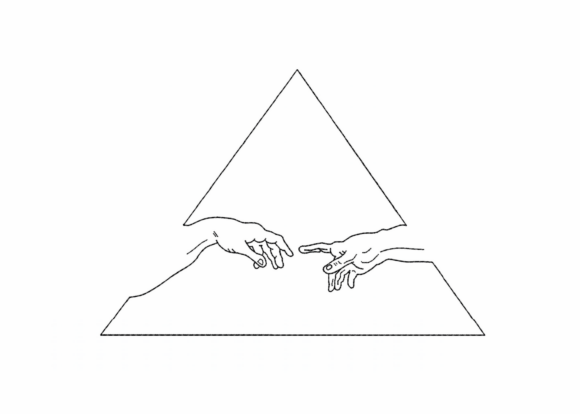
In the context of a busy market table, visual hierarchy is everything. Customers scan booths in seconds. The Creation of Adam Machine Embroidery possesses a bold, classical aesthetic that stands out against the sea of cutesy farmhouse designs often found at handmade markets. My first impression is one of refined drama. The reaching hands are iconic, creating an instant emotional connection without requiring text. For a craft fair product, this recognizability is a massive selling point. It bridges the gap between traditional art appreciation and contemporary embroidered fashion.
When planning my display, I envision this design serving as a focal point rather than a background element. It feels substantial and intentional. Unlike minimal line art that might get lost on a textured surface, this machine embroidery design commands attention. It suggests a level of craftsmanship that justifies a higher price point. Whether you are a digital seller offering the file or a creator selling finished goods, the artistic weight of this image adds perceived value to your brand consistency.
Best Product Applications for Commercial Embroidery
Determining where to place this design is critical for maximizing return on investment. Based on the composition of The Creation of Adam Machine Embroidery, certain products will naturally outperform others in a retail setting.
- Tote Bag Design: Canvas tote bags provide the ideal flat, stable surface for this artwork. The contrast of cream or gold thread on natural cotton canvas creates a museum-shop quality item that appeals to art lovers and students alike.
- Apron Embroidery: For culinary artists or baristas, this design transforms a utilitarian apron into a conversation piece. Placed centrally on the bib, it serves as a striking centerpiece for kitchen wear.
- Tea Towel Embroidery: While popular, tea towels require careful placement. Because terry cloth has significant fabric texture, the intricate details of the fingers and drapery must be digitized with adequate underlay to prevent sinking. When executed correctly, these become high-end giftable handmade items.
- Pillow Covers: Home decor buyers love statement pieces. A velvet or linen pillow cover featuring this design fits perfectly in eclectic, dark academia, or maximalist interior styles.
- Embroidered Patch: Creating patches allows for versatility. Customers can apply them to denim jackets or backpacks later. This is an excellent small shop product strategy that keeps production costs low while maintaining high artistic impact.
I would advise caution regarding caps. The curved surface of a hat can distort the horizontal flow of this specific imagery unless the embroidery file has been specifically digitized for 3D puff or curved hooping. Always verify the intended application before stitching on headwear.
Production Practicalities and Stitch Density
From a production standpoint, efficiency matters. As I review The Creation of Adam Machine Embroidery for batch production, I am looking at stitch density and run times. Classical art reproductions often involve complex shading and fill stitches. You must check the technical specifications of your specific embroidery file before committing to a large production run. If the design includes multiple sizes, test the smallest version rigorously. Tiny details like fingertips or facial expressions can become muddy if scaled down too aggressively.
For commercial embroidery success, stabilizer choice is non-negotiable. On stretchy knits or loose-weave linens, a cut-away stabilizer is essential to maintain the structural integrity of the design. If you are working with dark fabrics, ensure the digitizer has included appropriate underlay to prevent the fabric color from bleeding through light threads. Thread colors should be selected to enhance the classical mood; metallics, variegated silks, or matte cottons often work better than high-sheen rayon for this particular subject matter.
Furthermore, consider the repeatability of the design. Does it align easily within the hoop? Are there excessive jump stitches that will require manual trimming? Time spent cleaning up the back of the embroidery eats into profit margins. A well-digitized version of The Creation of Adam Machine Embroidery should minimize post-production labor, making it viable for volume sales during peak market seasons.
Marketing Visuals and Online Presentation
For Etsy sellers and digital entrepreneurs, the way you present this design online dictates its sales velocity. Because this is such a visually rich image, your printable mockup must be accurate. Do not rely solely on digital renders. Stitch out at least one real sample on your target fabric and photograph it in natural lighting. Buyers need to see how the stitch texture interacts with the material.
When listing this as a finished product, emphasize the "art-meets-fashion" angle. Use keywords that bridge categories: classical art embroidery, Renaissance aesthetic, academic decor, and luxury handmade gift. Highlight the versatility of the design in your description. Show it styled on a model wearing an apron, laid flat on a marble countertop as a tea towel, and hanging on a wall as framed textile art. This demonstrates the breadth of the design assets to potential buyers who may not have considered its full application range.
Designer Notes for Safe and Profitable Execution
Before loading The Creation of Adam Machine Embroidery into your machine for a client order or fair stock, adhere to these professional checkpoints:
- Verify Licensing: Confirm whether your purchase includes commercial licensing for finished products. Some files are for personal use only, which would prohibit selling embroidered totes or aprons.
- Test on Scrap Fabric: Never assume a file is perfect out of the box. Test on the exact fabric and stabilizer combination you intend to use for the final product.
- Check Hoop Size Compatibility: Ensure your machine’s maximum embroidery area accommodates the largest version of the design. Resizing art-heavy designs can alter stitch counts and density ratios unpredictably.
- Inspect Small Lettering: If the design includes accompanying text, verify legibility at smaller scales. Serif fonts common in classical themes can lose definition below 6mm height.
- Review Color Sequence: Plan your thread changes efficiently. Group similar colors together if possible to reduce downtime during batch production.
Ultimately, The Creation of Adam Machine Embroidery represents a unique opportunity to differentiate your booth or shop from competitors. It speaks to a customer base that values culture, history, and tangible beauty. By treating this digital embroidery file with the respect due to fine art reproduction, and by applying rigorous production standards, you transform a simple stitch pattern into a coveted handmade product. Whether stitched onto a sturdy market bag or a delicate linen cushion, this design carries a narrative weight that resonates deeply with buyers seeking meaning in their purchases. Approach it with technical precision and artistic reverence, and it will undoubtedly become a cornerstone of your seasonal collection.