Red Mushrooms Machine Embroidery Design Review
As a professional embroidery designer developing a new seasonal collection for a boutique brand, I am constantly evaluating digital assets to ensure they translate beautifully from screen to fabric. When sourcing graphics for our upcoming cottagecore sweatshirt drop, the Red Mushrooms Machine Embroidery Design immediately caught my attention. Bringing a touch of whimsical woodland magic to your projects is exactly the vibe current market trends demand, but as someone responsible for production quality and customer satisfaction, I need to know if this design holds up technically. After reviewing the file structure and testing placements, here is my professional assessment of how this forest-themed embroidery performs in a commercial apparel setting.
First Impressions and Aesthetic Versatility
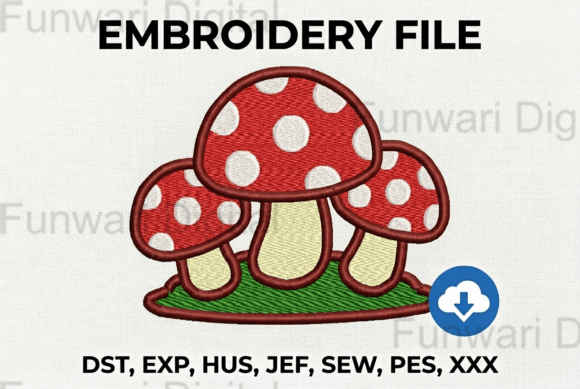
The visual appeal of this machine embroidery design lies in its balanced cartoon aesthetic. It strikes a difficult balance between playful and premium, avoiding the overly juvenile look that can sometimes plague nature-themed embroidery files. For a small shop product or an Etsy seller targeting young adults and lifestyle buyers, this specific artistic style is crucial. The red mushroom motif offers high contrast against neutral backgrounds, which is essential for product photography and social media marketing. When I visualize this on a cream-colored oversized hoodie or a charcoal grey crewneck, the colors pop without requiring excessive thread changes or complex color blending.
For our boutique brand, versatility is key. This design feels appropriate for both feminine, soft-girl aesthetics and gender-neutral rustic apparel. It does not lean too heavily into one demographic, allowing us to market the finished product across multiple customer segments. The whimsical nature of the artwork suggests a handmade product feel, even when produced via commercial embroidery machines. This perceived value is vital for independent creators who need their custom apparel to stand out against mass-produced fast fashion.
Evaluating Size Options for Apparel Placement
One of the strongest technical aspects of this digital embroidery file is the inclusion of three distinct sizes: 2x1, 3x3, and 4x3. As a designer, having pre-sized variations saves hours of digitizing adjustments and reduces the risk of distortion during resizing. Each size serves a specific purpose in sweatshirt embroidery and hoodie design:
- The 2x1 Size: This compact dimension is ideal for left chest placements on hoodies or sleeve accents near the cuff. At this scale, the design acts as a subtle logo alternative. It is perfect for minimalist branding where you want the forest theme to be present but not overwhelming. However, at this small size, stitch density becomes critical; details must remain legible without thread buildup.
- The 3x3 Size: This is the versatile workhorse for center-chest placement on standard sweatshirts. It provides enough surface area to showcase the cartoon character details while remaining proportional to adult sizing. This size works exceptionally well for unisex apparel and serves as a great focal point for printable mockup previews.
- The 4x3 Size: Best suited for back designs on hoodies or large front placements on oversized fits. This larger format allows the whimsical woodland magic to truly shine. It transforms the garment into a statement piece rather than just branded merchandise. For lifestyle product photography, this size photographs best from a distance, making it ideal for hero images on Etsy listings.
Technical Considerations for Sweatshirt Embroidery
While the aesthetic is charming, the technical execution determines whether a design survives production. Sweatshirt fleece and French terry fabrics present unique challenges due to their texture and stretch. When preparing this Red Mushrooms Machine Embroidery Design for our collection, I paid close attention to several production factors.
Stabilizer Selection: Because this is a cartoon design likely featuring satin stitches and fill areas, using the correct stabilizer is non-negotiable. For heavyweight fleece, a medium-weight cutaway stabilizer is necessary to prevent puckering around the edges of the mushrooms. If you are working with lighter pastel sweatshirts, consider a no-show mesh cutaway to prevent the stabilizer outline from showing through the fabric. Always test your hoop tension before running the full production batch.
Thread Colors and Contrast: The "red" in the title implies a dominant color, but the success of this embroidery relies on the supporting palette. Ensure your thread colors match the digital preview closely. On dark fabrics like navy or black, you may need to add an underlay base or adjust the top thread brightness to maintain the whimsical mood. Low-contrast thread on dark fabric will make the design disappear in photos, hurting your click-through rate online.
Fabric Texture Interaction: Fleece has a pile that can swallow small details. Before committing to a bulk order, run a sew-out on the exact fabric you intend to sell. Verify that the smallest elements of the mushroom caps and stems are not getting lost in the fabric nap. If the stitch density feels too sparse, the design may look cheap; if it is too dense, it could cause needle breaks or stiff patches on cozy seasonal apparel.
Commercial Viability for Small Businesses
For creative entrepreneurs and apparel decorators, time is money. Receiving a zip file with pre-formatted sizes streamlines the workflow significantly. Instead of spending billable hours resizing a single master file and risking stitch distortion, you can move straight to hooping and sampling. This efficiency directly impacts profit margins for small clothing brands operating on tight schedules.
Furthermore, this design supports strong brand identity. In the saturated market of cottagecore and goblincore fashion, having recognizable, consistent design assets helps build buyer trust. Customers return to shops that offer cohesive collections. Using this Red Mushrooms Machine Embroidery Design as part of a larger forest-themed capsule collection creates visual recognition. When customers see the specific stitching personality and art style associated with your shop, they are more likely to engage with future drops.
Production Checklist Before You Stitch
Before loading this embroidery file into your machine for a client order or inventory stock, run through this professional checklist to ensure premium results:
- Verify Hoop Compatibility: Confirm that your machine’s hoop size accommodates the 4x3 variation if you plan to use the largest option. Never force a design into a hoop that is too tight, as this causes registration errors.
- Check File Format: Ensure the zip file contains the specific format your machine reads (PES, DST, EXP, JEF, etc.). While most modern machines are versatile, always double-check compatibility before purchasing.
- Test Stitch Density: Run a sample on scrap fabric identical to your final product. Check the back of the embroidery; excessive bobbin thread showing on top indicates tension issues or density problems relative to the fabric thickness.
- Wash Test: Boutique customers expect durability. Wash and dry your test swatch to ensure the design does not distort, pucker, or fray after laundering. This step is critical for maintaining positive reviews and reducing returns.
- Mockup Accuracy: When creating listing photos, use realistic textures in your printable mockup. Misrepresenting the scale or sheen of the thread leads to disappointed customers. Show the actual embroidered texture whenever possible.
Final Verdict for Boutique Collections
The Red Mushrooms Machine Embroidery Design is a robust asset for any embroiderer focusing on the cottagecore niche. Its strength lies in the combination of whimsical charm and practical sizing options that cater specifically to apparel decoration. Whether you are an Etsy seller looking for your next bestseller or a boutique owner planning a limited seasonal release, this design offers the flexibility needed for various garments and placements.
Success in commercial embroidery comes down to matching the right design with the right technical execution. By respecting the fabric texture, choosing appropriate stabilizers, and leveraging the provided size variations, this forest-themed graphic can elevate your product line from basic customized gear to premium handmade apparel. Always remember to verify all technical specifications within the downloaded zip file before beginning mass production to ensure your creative vision translates perfectly to the finished product.