Snake Patch Embroidery Design: A Business Review
As a professional embroidery designer specializing in commercial merchandise, I approach every new machine embroidery design with a critical eye toward production viability and brand alignment. When evaluating the Snake Patch Embroidery Design for small business applications, my primary focus is not just on its aesthetic appeal as a kawaii reptile, but on how it translates from a digital file to a tangible asset for cafes, boutiques, florists, and creative studios. This review analyzes the technical performance and commercial potential of this specific woodland animal motif for branded merchandise.
First Impressions: Professionalism Meets Playful Branding
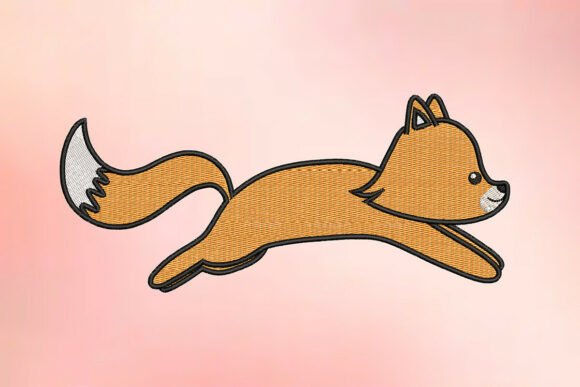
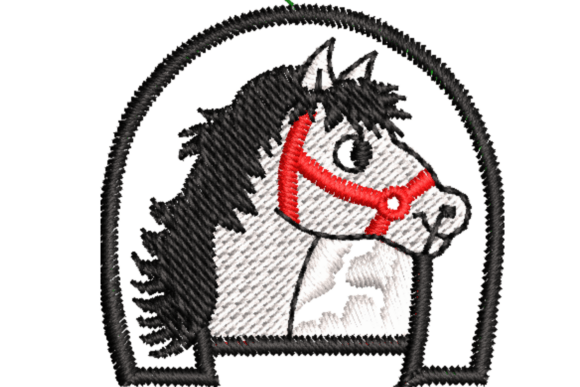
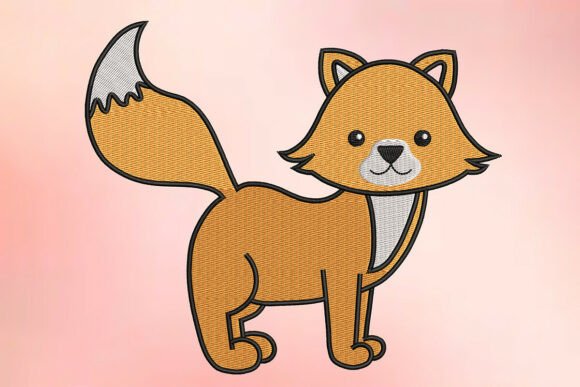
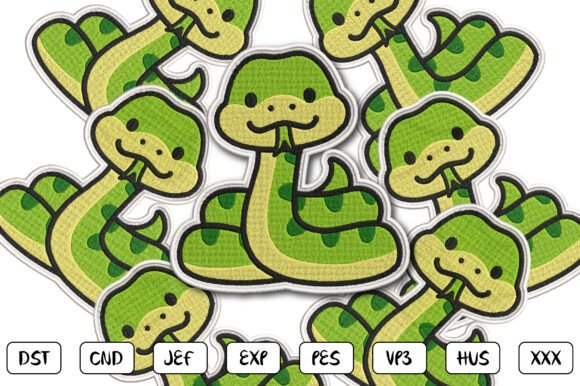
The immediate visual impact of the Snake Patch Embroidery Design strikes a careful balance between approachability and clarity. In the context of brand identity, "kawaii" does not mean amateur; when digitized correctly, soft curves and friendly expressions convey warmth and accessibility. For a local bakery or pet brand, this level of stylization is often more effective than hyper-realistic wildlife art because it scales better and reads faster on moving customers. The description highlights soft curves and a smiling expression, which suggests a satin stitch or smooth fill foundation rather than complex texture fills. This is excellent news for production speed and thread consumption. A design that relies too heavily on intricate shading can get lost on textured fabrics like canvas tote bags or denim aprons, but a bold, graphic kawaii style maintains its integrity across various substrates.
Commercial Applications for Small Business Merch
For small business owners and Etsy sellers, versatility is key. This embroidery file shows strong potential across multiple product categories essential for modern merchandising.
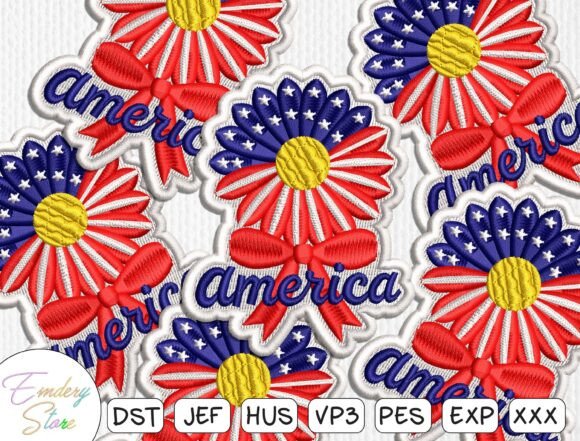
- Embroidered Patches: This is the most obvious and effective application. The self-contained nature of a snake character makes it ideal for patch borders. Whether used as a morale patch for staff uniforms or a collectible add-on for customers, the shape allows for easy merrowing or heat-seal backing application.
- Apron Embroidery: For cafes and florists, placing this design on an apron pocket or chest area adds personality without compromising professionalism. The friendly demeanor aligns well with customer-facing roles where approachability is part of the service.
- Tote Bag Design: Canvas totes are high-value items for handmade brands. Because this design features defined shapes, it should punch through heavy canvas effectively without sinking, provided the correct stabilizer is used.
- Cap Embroidery: Headwear presents unique challenges due to curvature. However, a compact, centered character design like this snake is safer for caps than wide text or sprawling landscapes. It fits naturally within the safe zone of most structured cap fronts.
Technical Considerations and Production Safety
While the Snake Patch Embroidery Design is visually promising, successful commercial embroidery requires respecting technical limitations. As a designer, I must highlight areas where caution is necessary to avoid production waste.
Scaling and Detail Retention
Kawaii designs rely on facial features for their charm. If you intend to use this as a sleeve detail or a tiny logo accent, you must verify the minimum size. Eyes and smiles can become indistinguishable blobs if scaled down beyond the digitizer’s intended parameters. Before running a bulk order for custom apparel, measure the physical dimensions of the face elements. If the eyes are smaller than 2mm at your desired size, the design may need modification or replacement.
Fabric Texture and Stabilizer Pairing
The "soft curves" mentioned in the product description imply satin stitches. Satin is beautiful but unforgiving on uneven surfaces. On pique polos or ribbed knits, these curves can distort without adequate support. Always pair this digital embroidery file with appropriate backing. For stretchy performance wear, use cutaway stabilizer to prevent puckering around the snake’s body. For rigid items like caps or bags, tear-away or specialty cap backing ensures registration stays true. Never assume one stabilizer works for all fabric texture types.
Thread Color Contrast
A smiling snake loses its expression if the outline thread blends into the fill color. When selecting thread colors for your brand, ensure high contrast between the facial features and the body. If your brand uses monochromatic tones, consider using a tonal variegated thread for the body and a solid dark thread for the outline to maintain definition without breaking your color palette.
Impact on Brand Value and Customer Engagement
Why choose a woodland animal over a generic logo? In the current market, handmade product buyers and boutique shoppers crave connection. A mascot creates an emotional anchor. The Snake Patch Embroidery Design serves as a visual shorthand for a business that values creativity and friendliness. When applied consistently across packaging, uniforms, and merchandise, it builds recognition faster than text alone. Furthermore, patches and embroidered goods have a higher perceived value than printed alternatives. Customers are more likely to retain and reuse a high-quality embroidered tote bag featuring a charming character, extending your marketing reach organically.
Designer’s Pre-Production Checklist
Before committing this design to a full production run for your business, follow this professional testing protocol to ensure quality and protect your investment.
- Verify Commercial Licensing: Confirm that the license permits commercial use on merchandise for sale. Personal-use licenses do not cover selling branded totes or uniforms.
- Check File Specifications: Review the included documentation for exact stitch count, recommended hoop size, and format compatibility with your machine. Do not guess these metrics.
- Run a Black and White Test: Stitch out the design in a single color first. This reveals registration issues, density problems, or pull compensation errors that colored threads might hide.
- Create a Printable Mockup: Use software to visualize placement on your specific garments. Share this printable mockup with clients or stakeholders for approval before stitching actual inventory.
- Test on Target Fabric: Never test solely on felt or cotton twill if your final product is linen or polyester. The finished product quality depends entirely on testing the exact material you will sell.
- Compare Against Existing Assets: Place the stitched sample next to your other design assets. Ensure the line weight and style match your existing branding to maintain visual consistency.
- Wash Test: If producing staff uniforms or items requiring frequent laundering, wash and dry the test sample three times. Check for thread shrinkage, color bleeding, or stabilizer residue.
The Snake Patch Embroidery Design offers a compelling opportunity for businesses seeking to soften their brand image while maintaining professional merchandise standards. Its kawaii aesthetic is commercially viable precisely because it is distinct, scalable, and emotionally resonant. By adhering to proper testing protocols and understanding the technical requirements of apron embroidery, cap construction, and patch making, small business owners can transform this digital file into a powerful tool for customer engagement and brand loyalty. Always prioritize technical verification over assumption, and this adorable reptile will serve your business reliably for years to come.