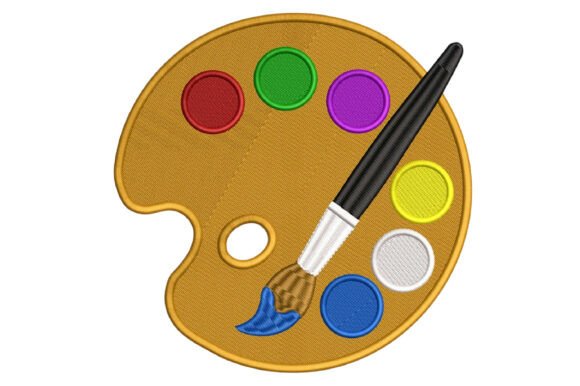
Paint Palette Embroidery Design: A Business Review
As a professional embroidery designer who specializes in commercial branding and merchandise production, I approach every new machine embroidery design with a critical eye. When evaluating the Paint Palette Embroidery Design for small business applications, my focus shifts immediately from simple aesthetics to production viability and brand impact. This review analyzes how this specific artwork performs when translated into small business merch, staff uniforms, and retail products.
First Impressions: Visual Personality and Brand Tone
Upon loading the embroidery file, the first impression of the Paint Palette Embroidery Design is one of creative professionalism. It strikes a balance between playful artistry and structured iconography. For businesses in the creative sector—such as art studios, boutique florists, custom bakeries, or handmade craft brands—this imagery communicates "handmade" and "custom" without looking amateurish. The classic palette shape serves as an instantly recognizable symbol of creativity, making it an excellent anchor for brand identity.
However, visual appeal on a screen does not always translate to thread. As a designer, I look for clean vector paths and logical stitch sequencing. This design appears optimized for vibrancy, suggesting that the digitizer understood the importance of color blocking. For a business owner, this means the design has the potential to look premium rather than flat, provided the correct thread colors are selected during production. It feels friendly yet established, which is crucial for businesses trying to build customer trust through visual consistency.
Commercial Applications: Where This Design Shines
The versatility of the Paint Palette Embroidery Design makes it a strong candidate for various commercial embroidery projects. In my experience outfitting creative businesses, I have identified several high-value applications for this specific artwork:
- Staff Aprons and Uniforms: For cafés, pottery studios, or paint-and-sip venues, this design works exceptionally well as a chest logo or pocket accent on apron embroidery. It reinforces the artistic nature of the service while maintaining a uniform look for employees.
- Retail Tote Bags: Canvas tote bags are a staple for handmade markets. Using this as a central tote bag design creates a walking advertisement for your brand. The palette motif aligns perfectly with the eco-friendly, artisanal vibe that tote bag customers typically seek.
- Embroidered Patches: Creating standalone patches allows for inventory flexibility. You can produce a batch of these patches and apply them to hats, jackets, or denim later. The distinct outline of a paint palette lends itself well to merrowed edges or heat-cut borders.
- Product Packaging Accents: For Etsy sellers, embroidering this design onto fabric dust bags or gift wrap ribbons elevates the unboxing experience. It turns packaging into a keepsake, increasing perceived product value.
- Cap Embroidery: While challenging, this design can work on caps if resized appropriately. It serves as a great identifier for creative workshops or art festival vendors.
Production Considerations and Technical Limitations
While the Paint Palette Embroidery Design is versatile, it requires careful handling in specific production scenarios. As an experienced digitizer, I must highlight where caution is necessary to avoid wasted materials and poor results.
Stitch Density and Fabric Texture
Paint palettes often feature multiple color sections and potentially intricate details like brush tips or paint blobs. High stitch density in these areas can cause puckering on lightweight fabrics or distortion on textured materials like linen or burlap. If you are applying this to a rustic handmade product, you must test the tension. Heavy coverage areas may require a heavier stabilizer or even a double layer of cut-away backing to maintain registration.
Sizing for Small Formats
One of the most common mistakes in commercial embroidery is shrinking a complex design too small. If you intend to use the Paint Palette Embroidery Design as a tiny sleeve cuff logo or a minimal cap front, verify the minimum size specifications. Details that look crisp at 4 inches may become muddy blobs at 1.5 inches. Always check the digitizer’s notes regarding minimum height before purchasing the digital embroidery file.
Curved Surfaces and Caps
Cap embroidery presents unique challenges due to the curved surface and seam interference. If the palette design includes text arcing over the top or fine details near the center seam, it may not sew out cleanly on structured caps. For headwear, I recommend using a simplified version of the design or ensuring the artwork is specifically digitized for cylindrical hooping.
Impact on Brand Value and Customer Perception
In the competitive landscape of small business, your merchandise is often the first physical touchpoint a customer has with your brand. The quality of your embroidery directly correlates to perceived value. A well-executed Paint Palette Embroidery Design signals attention to detail. When a customer sees vibrant, clean stitching on a staff apron or a retail tote, they subconsciously attribute that same level of care to your core products or services.
Conversely, poor execution damages credibility. Thread breaks, misaligned outlines, or inappropriate sizing make a business look unprofessional. By treating this design as a strategic asset rather than just decoration, you protect your reputation. Consistency is key; using the same design assets across your website mockups, social media, and physical merchandise builds recognition. When customers associate the paint palette icon with your specific business, you have successfully leveraged embroidery as a marketing tool.
Professional Designer Notes for Successful Production
Before running a full production order using the Paint Palette Embroidery Design, follow this professional checklist to ensure commercial-grade results:
- Verify Licensing: Before selling any item featuring this design, confirm the commercial licensing terms. Ensure you have the right to use the embroidery file for profit on merchandise.
- Create a Printable Mockup: Use software to generate a printable mockup scaled to actual size. Print it out and place it on the garment or item. This helps visualize placement and proportion better than a screen view.
- Test on Real Fabric: Never assume a design will work based on screen rendering. Run a sew-out on the exact fabric texture and weight you plan to use for the finished product. Adjust tension or stabilizer based on this test.
- Check Hoop Size Compatibility: Confirm that the design fits within your machine’s maximum sewing field and your available hoops. Trying to squeeze a design into a hoop that is too tight leads to flagging and registration errors.
- Evaluate Thread Contrast: Test the design in black and white first to check contrast values. Ensure that adjacent colors in the palette are distinct enough to be readable from a distance. Low contrast kills visibility in retail environments.
- Inspect Spacing and Trims: Review the design for excessive jump stitches or trims. In a production environment, minimizing manual trimming saves labor costs. If the file is inefficient, consider having it professionally edited.
- Compare Beside Other Assets: Place this design next to your existing logos or typography. Does the style match? Is the stitch type consistent? Visual cohesion across all custom apparel and merch is essential for a polished brand image.
The Paint Palette Embroidery Design offers significant potential for creative small businesses looking to enhance their merchandise lineup. By approaching it with technical diligence and strategic intent, you can transform a digital file into a powerful tool for brand building and customer engagement. Always prioritize testing and quality control to ensure your embroidered products reflect the excellence of your business.