Pastel Goth Skull Candy Embroidery Review
As a professional embroidery designer and product reviewer, I approach every new machine embroidery design with a critical eye. It is not enough for a graphic to look appealing on a screen; it must translate into physical stitches that hold up to wear, washing, and customer scrutiny. When evaluating the Pastel Goth Skull Candy Embroidery, my primary focus is how this specific aesthetic bridges the gap between niche subculture and mainstream appeal. This design captures a unique mood that satisfies a sweet tooth with a spooky twist, but its success in a real-world embroidery project depends entirely on technical execution and appropriate application.
First Impressions and Aesthetic Translation
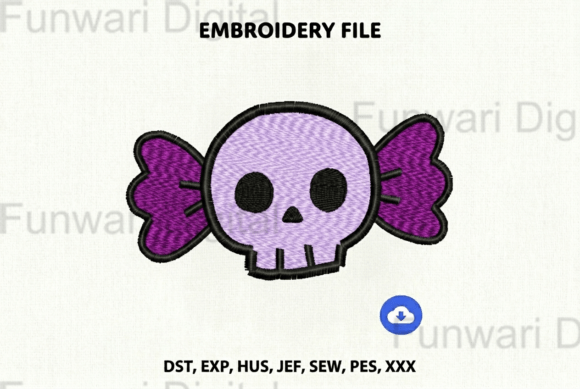
My initial assessment of this digital embroidery file reveals a clever balance of contrasting elements. The "pastel goth" genre relies heavily on color accuracy and shape definition. On screen, the skull motif appears soft yet edgy, but as an embroiderer, I am immediately looking at the stitch types required to achieve this duality. A successful rendition of this theme typically utilizes smooth satin stitch columns for the candy wrapper twists or bone outlines to create that glossy, sugary sheen. Conversely, the skull itself likely requires a well-digitized fill stitch to maintain texture without becoming bulletproof stiff.
The visual personality of this design feels youthful and trendy, making it distinct from traditional, gritty Halloween imagery. It suggests a handmade product that belongs in a modern boutique rather than a costume shop. However, the intricate details often found in candy wrappers and facial expressions demand high precision. If the stitch density is too loose, the pastel colors will lack vibrancy against dark fabrics. If it is too dense, the design risks puckering lightweight materials. My first impression is positive, provided the digitizer has accounted for the pull compensation necessary to keep those rounded candy shapes perfectly circular after stitching.
Real-World Application: Stitching a Custom Sweatshirt
To truly evaluate the commercial viability of Pastel Goth Skull Candy Embroidery, I mentally simulate a current client request: a custom oversized sweatshirt for an Etsy seller targeting Gen Z buyers. This scenario tests the design’s versatility beyond simple holiday decor. For this sweatshirt embroidery, placement is everything. Center chest placement works best for this symmetrical layout, allowing the pastel hues to pop against a charcoal or black fleece base.
In this real-life case, I would treat this as a standalone statement piece rather than part of a busy collage. The design’s value lies in its recognizable silhouette. When hooping heavy fleece, I must ensure the stabilizer choice supports the weight of the thread without distorting the garment's drape. A cut-away stabilizer is non-negotiable here to prevent the design from pulling the fabric inward. As I visualize the finished product, I consider the buyer's perspective. They are looking for high-quality custom apparel that feels premium. If the registration marks align perfectly and the pastel threads have a subtle sheen, the perceived value of the sweatshirt increases significantly. This design transforms a basic blank into a sellable small shop product that can command a higher price point due to its specialized aesthetic.
Navigating Fabric Textures and Technical Limitations
While versatile, this embroidery file requires careful consideration regarding substrate selection. Not all fabrics are created equal when rendering detailed confectionery motifs. I advise extreme caution when using this design on highly textured surfaces like terry cloth towels or chunky knits. The fine lines defining the candy and skull features can easily get lost in the pile of the fabric, resulting in a muddy, unrecognizable image. For kitchen textiles or tote bag design projects, opt for tight-weave cottons or canvas where the needle penetration is clean and consistent.
Stretchy fabrics present another challenge. If you are applying this to ribbed knitwear or performance tees, the tension during stitching can cause significant distortion once the item is removed from the hoop. In these instances, testing on scrap fabric is mandatory. Furthermore, be mindful of hoop size limitations. Scaling down a complex pastel goth design to fit a 4x4 hoop may result in tiny lettering or thin satin columns that break needles or shred thread. Always verify the minimum recommended size before resizing. Similarly, curved surfaces like caps require specialized digitizing; if this file was not specifically created for headwear, forcing it onto a structured hat could lead to poor coverage and misalignment.
Commercial Viability for Makers and Sellers
For Etsy sellers and creative entrepreneurs, Pastel Goth Skull Candy Embroidery offers excellent potential for seasonal and evergreen sales. Unlike generic pumpkin designs that expire on November 1st, this aesthetic has year-round relevance in alternative fashion and nursery decor. It functions beautifully as baby embroidery for parents who want cute but not saccharine themes. However, professionalism dictates that you verify licensing terms before listing any finished product. Ensure your purchase includes commercial rights for physical goods if you intend to sell embroidered items.
Visual presentation is equally critical for digital sales. When creating a printable mockup or listing photo, accurate color representation builds customer trust. Pastel shades can shift dramatically depending on lighting and monitor calibration. I recommend stitching out a physical sample and photographing it in natural light rather than relying solely on software renders. This transparency reduces returns and establishes your brand as a reliable source for quality design assets. Whether used for holiday embroidery collections or everyday accessories, consistency in output quality ensures repeat business.
Essential Designer Notes for Success
Before committing this design to a final project, adhere to these practical guidelines to ensure professional results:
- Test Stitch First: Never run this design directly on a final garment without a test sew-out. Check for registration issues between the outline and fill areas, especially around small facial features.
- Evaluate Thread Contrast: Pastel threads on white fabric may disappear. Test color combinations on both light and dark backgrounds to ensure the skull and candy elements remain distinct and legible.
- Check Stabilizer Pairing: Match your backing to the fabric weight. Use tear-away for stable woven fabrics and cut-away for knits or stretchy materials to maintain design integrity.
- Inspect Small Details: Zoom in on the design file to check for jump stitches that haven't been trimmed or optimized. Excessive trims slow down production and increase the risk of thread breaks.
- Verify Hoop Compatibility: Confirm the design dimensions fit comfortably within your machine’s maximum sewing field with adequate clearance for the presser foot.
- Review License Terms: Double-check whether the file allows for commercial use on physical products, digital resale, or modification before incorporating it into your business inventory.
- Consider Applique Options: If available as an applique design, this style can reduce stitch count and add tactile interest, making it ideal for larger items like pillow covers or blankets.
Ultimately, Pastel Goth Skull Candy Embroidery is a charming asset for makers willing to respect its technical requirements. By understanding how stitch structure interacts with fabric choice and maintaining rigorous quality control, you can elevate this adorable design from a digital file to a cherished, high-value personalized gift or profitable retail item. Approach it with the same precision you would apply to formal monograms, and the results will satisfy both your creative standards and your customers' expectations.