Made in America Rocket Duck Embroidery Review
As a professional embroidery designer specializing in commercial merchandise, I approach every new machine embroidery design with a critical eye toward production viability and brand impact. When evaluating the Made in America Rocket Duck Embroidery for small business applications, my primary focus is not just on the patriotic aesthetic, but on how this digitization performs across various substrates and merchandise types. For shop owners, Etsy sellers, and apparel decorators, a design must be more than visually appealing; it must be structurally sound for commercial embroidery workflows. This review breaks down the technical performance and branding potential of this specific embroidery file for businesses looking to capitalize on Independence Day themes or year-round Americana branding.
Visual Personality and Brand Alignment
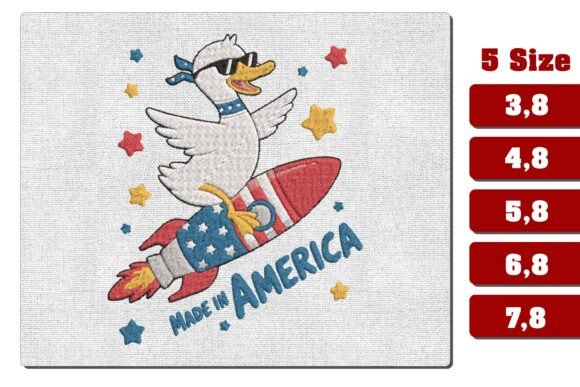
The first impression of the Made in America Rocket Duck Embroidery is one of playful professionalism. It strikes a difficult balance between whimsical character art and clean, bold graphics suitable for merchandise. Unlike overly complex illustrative designs that can become muddy when stitched, this design appears optimized for clarity at multiple scales. For a boutique, bakery, or creative studio, this visual tone communicates a friendly, handmade product vibe while maintaining enough structure to look intentional rather than amateur.
From a brand identity perspective, this design serves as an excellent anchor for seasonal promotions or niche branding. The "Rocket Duck" motif offers a unique alternative to standard flags or eagles, making it particularly valuable for businesses wanting to stand out in a saturated market. Whether used for a pet brand, a children’s clothing line, or a local café's summer menu launch, the design carries an inherent narrative of domestic craftsmanship and lighthearted patriotism. However, users must ensure this playful tone aligns with their existing corporate voice before integrating it into their design assets library.
Performance Across Merchandise Applications
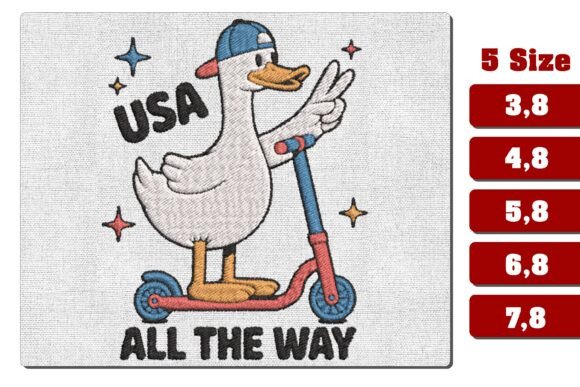
In real-world business scenarios, versatility is key. The Made in America Rocket Duck Embroidery is available in five distinct sizes: 3.8", 4.8", 5.8", 6.8", and 7.8". This range is significant for small business merch because it allows for consistent branding across disparate products without requiring manual resizing, which can distort stitch patterns.
- Embroidered Patches: The 3.8" and 4.8" sizes are ideal for creating standalone patches. These smaller formats require tight registration and clean borders. Based on the size options, these dimensions should retain sufficient detail for patch production, provided the border stitching is dense enough to prevent fraying during cutting.
- Apron Embroidery: For cafes and florists, the 5.8" or 6.8" size works exceptionally well as a chest logo or pocket accent on aprons. Aprons endure high heat and frequent washing, so the design’s fill stitches must be secure. This size range provides adequate coverage on heavy canvas or denim aprons without causing excessive fabric puckering.
- Tote Bag Design: The larger 6.8" and 7.8" versions are perfect for tote bags. Canvas totes offer a stable base for embroidery, allowing the full color spectrum of the design to shine. This application transforms a simple utility item into a premium handmade product that customers are willing to pay extra for.
- Cap Embroidery: While caps are popular, they present structural challenges. Only the 3.8" size is likely safe for standard structured cap fronts. Larger sizes may exceed the vertical height limit of most cap hoops or cause distortion due to the curved surface. Always verify the specific hoop height against the design dimensions before attempting cap production.
Technical Considerations for Production
While the Made in America Rocket Duck Embroidery offers broad utility, certain applications require caution. As with any digital embroidery file, understanding the relationship between stitch density and fabric texture is vital for avoiding production failures.
Fabric Stability and Stabilizer Selection
When applying this design to stretchy knits like t-shirts or performance polos, proper stabilization is non-negotiable. The rocket and duck elements likely contain directional fills that can push or pull the fabric. Using a cut-away stabilizer for garments and a tear-away for stable woven fabrics like twill or canvas is recommended. For dark uniforms where contrast is high, ensure the underlay is sufficient to prevent the fabric color from bleeding through lighter thread areas.
Small Size Legibility
If utilizing the 3.8" version for sleeve details or baby onesies, inspect the design for tiny text or intricate facial features. At reduced scales, these elements can become indistinguishable blobs if the original digitization was not optimized for small formats. Before running a full production batch, stitch a test sample on the exact garment type. If details are lost, consider using only the graphic element and omitting text for the smallest size variant.
Washability and Durability
For items destined for frequent laundering, such as staff uniforms or kitchen linens, verify that the top stitching locks down all satin columns and fill areas securely. Loose threads at the edges of the rocket or duck silhouette will lead to premature wear. A high-quality finished product requires that the design withstands industrial washing cycles without unraveling.
Impact on Customer Perception and Value
Integrating the Made in America Rocket Duck Embroidery into your product lineup does more than decorate fabric; it signals quality and attention to detail. In the competitive landscape of Etsy sellers and independent brands, professional-grade embroidery distinguishes a business from hobbyists. Customers associate crisp, well-registered embroidery with higher value and trustworthiness.
Furthermore, themed designs like this create emotional connections. An Independence Day collection featuring this unique character can drive engagement and sales during peak shopping seasons. However, consistency is paramount. Ensure that the thread colors used in this design match your broader brand palette or the specific seasonal theme you are promoting. Visual consistency across your website, social media mockups, and physical products reinforces brand recognition and encourages repeat business.
Essential Pre-Production Checklist
Before adding the Made in America Rocket Duck Embroidery to your commercial catalog, complete this verification process to ensure professional results:
- Test Stitch on Target Fabric: Never assume a digital preview equals reality. Run a sew-out on the actual material you intend to sell. Check for registration issues, especially where different colored sections meet.
- Verify Hoop Compatibility: Confirm that your machine’s hoops accommodate the selected size with adequate margin. Tight hooping can cause flagging and misalignment.
- Create Printable Mockups: Use the sew-out photos to create accurate printable mockup images for client approval or online listings. Digital renders often fail to show true stitch texture and scale.
- Check Licensing Terms: Crucially, review the license included with the embroidery file. Confirm whether you have rights for unlimited commercial reproduction or if there are caps on unit sales. This protects your business legally.
- Assess Thread Contrast: Test the design in both color and black-and-white (greyscale) views to ensure internal details remain visible regardless of background fabric color.
- Compare Against Existing Assets: Place this design beside your current logo or other branded elements. Ensure the style weight and complexity feel cohesive within your existing product ecosystem.
The Made in America Rocket Duck Embroidery represents a strong opportunity for businesses seeking versatile, thematic custom apparel and accessories. By respecting the technical requirements of each size and substrate, shop owners can leverage this design to create profitable, high-quality merchandise that resonates with customers. Always prioritize testing and fabric compatibility to ensure that the final embroidered product meets the professional standards your brand demands.