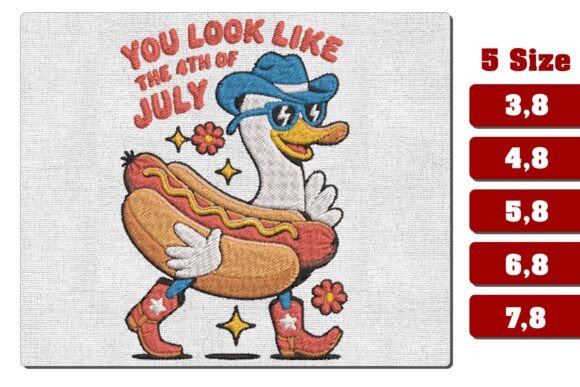
You Look Like the 4th of July Embroidery Review
As a professional embroiderer and product reviewer, I approach every new machine embroidery design with a critical eye toward production viability. When evaluating the "You Look Like the 4th of July" embroidery file, my first impression is that it strikes a necessary balance between festive charm and wearable subtlety. Unlike aggressive patriotic graphics that can feel costume-like, this design carries a vintage, Americana aesthetic that appeals to modern buyers looking for understated holiday apparel. The layout suggests a thoughtful composition where typography and graphical elements interact without competing, making it a strong candidate for both personal projects and commercial inventory.
Real-World Application: Stitching Out a Summer Tote
To truly understand how this design performs outside of digital mockups, I mentally mapped it onto a specific project: a natural canvas tote bag intended for an Etsy shop’s summer collection. For this application, I would select the 6.8-inch size to ensure the design acts as a focal point without overwhelming the bag's proportions. In a real-life scenario, this tote bag design needs to withstand handling and maintain visual clarity against a textured weave.
When stitching this out on canvas, the interplay of satin stitch borders and fill stitch interiors becomes crucial. If the design relies heavily on dense fills, I would be concerned about fabric puckering on unlined canvas. However, if the digitizer has incorporated adequate underlay and travel stitches, the result should be crisp. This specific phrase, "You Look Like the 4th of July," implies a compliment-driven novelty, which makes it highly giftable. For a handmade product, this emotional connection increases perceived value. Customers aren't just buying a red, white, and blue bag; they are buying a conversation starter. From a business perspective, this versatility allows the design to transition seamlessly from a beach accessory to a casual weekend sweatshirt, maximizing the return on investment for the embroidery file.
Evaluating Size Versatility and Fabric Compatibility
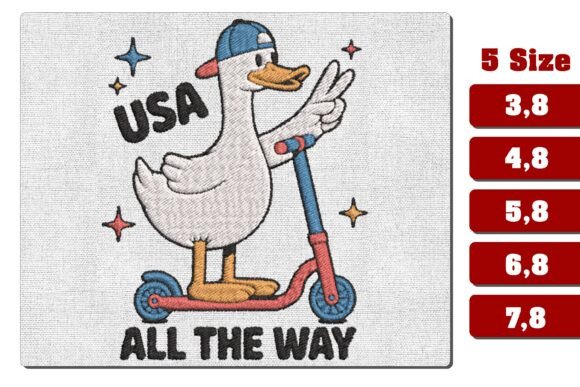
The availability of five distinct sizes—3.8", 4.8", 5.8", 6.8", and 7.8"—is a significant advantage for makers managing diverse inventory. However, each size demands specific technical considerations to ensure professional results.
- 3.8-inch and 4.8-inch Sizes: These smaller formats are ideal for baby embroidery, shirt pockets, or sleeve accents. At this scale, verify that lettering remains legible. If the font is too ornate, small details may get lost or cause thread breaks. These sizes work beautifully on lightweight cottons and linen blends but require a lightweight cut-away stabilizer to prevent distortion.
- 5.8-inch Size: This is the sweet spot for standard left-chest placement on adult tees and polo shirts. It offers enough surface area for detail while remaining within standard hoop capabilities for most home machines.
- 6.8-inch and 7.8-inch Sizes: Perfect for center chest sweatshirt embroidery, aprons, or pillow covers. When using these larger sizes on stretchy knits like French terry or jersey, you must use a fusible mesh stabilizer and potentially a topping to prevent stitches from sinking into the fabric pile. The larger canvas also allows for more intricate shading, so check your thread colors to ensure they provide sufficient contrast against dark navy or bright red garments.
Technical Performance and Digitizing Quality
A pretty picture does not always translate to a clean stitch-out. When reviewing this digital embroidery file, I look for signs of intelligent digitizing that supports high-speed production. For Independence Day themes, color changes are frequent. A well-digitized version of "You Look Like the 4th of July" should minimize unnecessary trims and jumps. Excessive trimming slows down production time and increases the risk of registration errors, especially when aligning multiple text lines with graphic elements.
I also scrutinize the stitch density. Patriotic designs often feature solid blocks of red and blue. If these areas are overly dense, they will create a bulletproof patch effect that is uncomfortable to wear and prone to needle breakage. Conversely, if the density is too low, the fabric grain will show through, making the finished product look cheap. Ideally, the design should utilize split stitches or texture fills in large background areas to reduce stitch count and improve drape. For commercial embroidery businesses, this efficiency directly impacts profit margins by reducing run time and thread consumption.
Strategic Merchandising for Makers and Sellers
For Etsy sellers and small shop owners, this design offers excellent merchandising potential because it targets a specific sentiment rather than generic patriotism. It works exceptionally well for personalized gifts where the recipient wants to celebrate the holiday without wearing a flag. Consider pairing this design with complementary assets to create a cohesive collection. For example, use the 7.8" version on an apron for family barbecues and the 3.8" version on matching napkins or koozies.
When creating listings, avoid relying solely on digital previews. Buyers trust sellers who show actual stitch-outs. Create a printable mockup that accurately represents thread sheen and texture, but supplement it with photos of the physical sample. Highlight the tactile quality of the embroidery. Does the satin stitch have a smooth, rope-like edge? Is the lettering aligned perfectly? These details signal professionalism. Furthermore, clearly state whether the item is ready-to-ship or made-to-order. Since this is a seasonal holiday embroidery design, timing is everything. Having pre-stitched samples ready for photography in early June can significantly boost search visibility before the peak rush.
Critical Pre-Production Checklist
Before committing this design to a final sellable item or client order, adhere to these practical designer notes to avoid costly mistakes:
- Test on Scrap Fabric First: Never assume a file is perfect out of the box. Stitch a test run on the exact fabric type you intend to use. Canvas behaves differently than performance polyester, and tension settings may need adjustment.
- Verify Hoop Size Requirements: While the design comes in multiple sizes, confirm that your specific machine’s maximum stitch area accommodates the 7.8" version. Some machines list a 4x4 hoop but have a slightly smaller actual sewing field.
- Check Licensing Terms: Before selling finished goods or using the design in commercial branding, review the license agreement included with the design assets. Ensure you have the right to sell physical products embroidered with this file.
- Assess Color Contrast: Print a black-and-white line art version of the design. If the image looks muddy or indistinguishable without color, the design lacks structural integrity. Good embroidery relies on value contrast, not just hue.
- Stabilizer Selection: Match your backing to the fabric weight. Use tear-away for stable wovens and cut-away for knits. For the "You Look Like the 4th of July" design, which likely includes text, a firm stabilizer is non-negotiable to prevent letter distortion during washing.
- Mockup Accuracy: If selling digital files or custom services, ensure your mockups reflect the true scale. A 3.8" design looks vastly different on a toddler tee versus an adult XL sweatshirt. Misleading scale representation leads to returns and negative reviews.
Final Verdict for Production Use
"You Look Like the 4th of July" stands out as a versatile, commercially viable embroidery project foundation. Its strength lies in its ability to function as both a standalone statement piece and a component of a larger seasonal collection. For the experienced maker, the multiple size options provide the flexibility needed to outfit everything from baby onesies to decorative pillows. However, success depends entirely on proper execution. By respecting fabric limitations, testing thoroughly, and presenting the final stitch-out with honesty and skill, this design can become a reliable bestseller in your Independence Day lineup. Always prioritize the tangible quality of the stitch over the digital perfection of the screen, as that is what ultimately builds customer trust and brand longevity.