Father s Day Pipe Embroidery PES DST Review
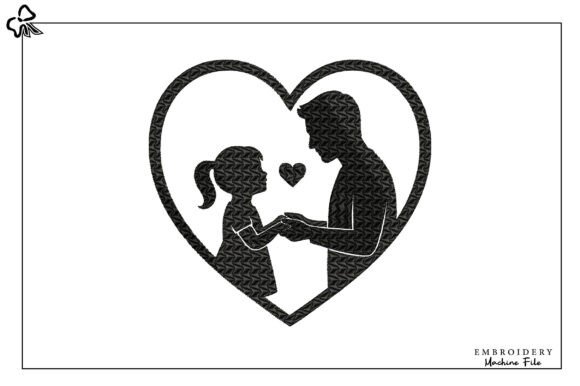
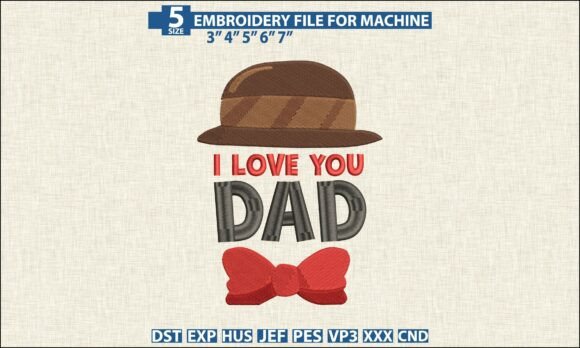
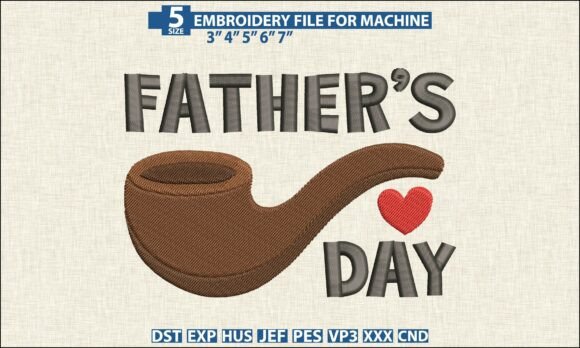
As I prepare my booth inventory for the upcoming weekend craft fair, I am constantly evaluating which digital assets will translate into tangible sales. When reviewing the Father s Day Pipe Embroidery PES DST file, my primary focus is not just on the aesthetic appeal of the digitizing, but on its commercial viability for a handmade business. This machine embroidery design features a traditional pipe and heart motif, positioning it squarely in the classic and sentimental category. For an Etsy seller or boutique maker, this specific combination suggests a nostalgic, heritage feel rather than a modern or humorous vibe. It evokes a sense of timelessness that appeals to customers looking for meaningful gifts rather than novelty items.
Evaluating Market Appeal and Product Placement
The first impression of this design is undeniably warm and traditional. In a crowded market environment, visual clarity is paramount. The juxtaposition of a masculine pipe with a softer heart element creates a balanced narrative that resonates with buyers seeking to honor father figures without resorting to clichés. As a craft fair product, this design performs best when applied to items that suggest relaxation, tradition, or domestic comfort. While it could technically be placed anywhere, strategic placement increases perceived value.
For my own production run, I have identified three high-potential applications for the Father s Day Pipe Embroidery PES DST:
- Apron Embroidery: Placing the design on the chest pocket area of a canvas or denim apron creates an immediate connection to backyard grilling and cooking. This is a strong seller at summer markets.
- Tea Towel Embroidery: A linen or flour sack towel featuring this design serves as a functional keepsake. The traditional nature of the pipe art pairs beautifully with natural fabric textures.
- Tote Bag Design: For a more versatile option, centering this design on a natural cotton tote allows it to function as a reusable gift bag or a standalone accessory.
While caps are popular, I approach curved surfaces with caution for this specific motif. Unless the digitization is specifically optimized for 3D puff or curved hooping, the detail in the pipe bowl and heart curves may distort. Flat goods like pouches, pillow covers, and patches remain the safest and most profitable bets for batch production.
Production Practicality and Booth Display Strategy
From a production standpoint, the Father s Day Pipe Embroidery PES DST must be evaluated for repeatability. At a craft fair, customers often buy multiples for different family members, so the design needs to look consistent across various substrates. I assess whether the stitch density is appropriate for both lightweight cottons and heavier canvases. A well-digitized file should maintain structural integrity without causing fabric puckering on lighter materials or needle breaks on denser ones.
When setting up my booth display, this design acts as an emotional anchor. Unlike generic text-based designs, illustrative elements like this pipe and heart catch the eye from a distance. To maximize buyer engagement, I recommend creating a tiered display. Place a finished product, such as an embroidered patch or small pouch, at eye level to demonstrate scale. Beside it, display a printable mockup or a framed photo of the design on a larger item like an apron. This helps customers visualize the potential of the digital embroidery file even if you do not have every single variation stitched out physically.
Photography for online listings is equally critical. The traditional aesthetic of this design requires styling that matches its mood. Avoid neon backgrounds or overly modern props. Instead, use wood grains, leather accents, or vintage books in your product photography to reinforce the heritage quality. This consistency between the digital file and the physical presentation builds brand trust and justifies premium pricing for handmade products.
Technical Considerations and Careful Use Notes
Even the most beautiful design can fail if technical variables are ignored. Before listing any finished product derived from the Father s Day Pipe Embroidery PES DST, experienced embroiderers must address several risk factors. Small lettering or intricate shading within the pipe detail can become muddy if resized too aggressively. Always verify the minimum size recommendations provided by the digitizer. If the design includes tiny serif fonts or thin line work, scaling down below 80% may result in thread breaks or illegible details.
Fabric texture plays a massive role in the final outcome. On textured towels or terry cloth, the fine details of a heart shape can get lost. In these cases, using a water-soluble topper stabilizer is non-negotiable to keep stitches above the pile. Conversely, on dark fabrics, ensure the thread colors provide sufficient contrast. A dark brown pipe on a navy apron might look elegant on screen but invisible in dim craft fair lighting. Always test high-contrast thread combinations.
Furthermore, pay close attention to hoop size requirements. Trying to squeeze a design into a smaller hoop than intended often leads to registration errors where the outline does not align with the fill stitches. For commercial embroidery, these flaws are unacceptable. If you plan to offer this as an embroidered patch, verify that the border stitching is dense enough to prevent fraying after cutting. Patches require specialized finishing techniques that differ from standard apparel embroidery.
Designer Checklist for Commercial Success
To ensure the Father s Day Pipe Embroidery PES DST becomes a profitable asset rather than a source of frustration, follow this practical pre-production checklist. These steps bridge the gap between digital acquisition and successful retail:
- Test Stitch on Scrap Fabric: Never run a new design directly on saleable inventory. Test on the exact fabric weight and type you intend to sell to check for puckering or tension issues.
- Verify Stabilizer Pairing: Confirm that your stabilizer choice supports the stitch count. Heavy designs require cut-away backing, while lighter tea towel embroidery may only need tear-away.
- Check Thread Contrast: View your thread selection under natural daylight, not just shop lights. Ensure the pipe and heart stand out distinctly against the base fabric.
- Create a Physical Mockup: Digital renderings can be deceiving. Produce at least one real sample to photograph and to judge tactile quality before accepting orders.
- Review Licensing Terms: Before selling finished products or offering the design itself, confirm the commercial usage rights included with the digital embroidery file. Protect your business by adhering to license limits.
- Inspect Stitch Density: Run a finger over the test stitch-out. If it feels bulletproof or stiff, the density may be too high for wearable items. Adjustments may be necessary for customer comfort.
Maximizing Value for Creative Entrepreneurs
Ultimately, the success of the Father s Day Pipe Embroidery PES DST lies in how well it is executed and marketed. For small shop products and creative entrepreneurs, this design offers a unique opportunity to tap into the sentimental spending associated with Father S Day. By focusing on high-quality application and thoughtful product selection, you elevate a simple digital file into a cherished heirloom.
Remember that customers at craft fairs and Etsy shops are buying a story, not just stitches. The combination of the pipe and heart tells a story of love, tradition, and respect. When your production quality matches that narrative through proper stabilizer use, correct sizing, and beautiful fabric choices, the perceived value of your handmade product skyrockets. Whether you are making aprons, tea towels, or custom patches, treating this design with professional care ensures it remains a staple in your seasonal catalog for years to come. Always double-check specific file specifications and license details before beginning mass production to ensure your business remains compliant and your products remain exceptional.