American Dude Skateboard Embroidery: A Designer's Review
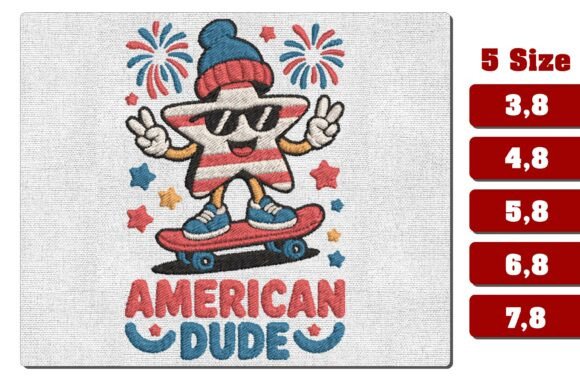
When sourcing a new machine embroidery design for seasonal inventory, I look beyond the digital preview. As a designer and reviewer who stitches out samples before listing any handmade product, my first impression of the American Dude Skateboard Embroidery is that it captures a specific, playful nostalgia. It strikes a balance between patriotic themes and casual street style, making it distinct from standard flag motifs or generic skate graphics. The layout suggests a confident use of negative space and bold lines, which is crucial when translating screen art into thread.
For Etsy sellers and craft business owners focusing on Independence Day merchandise, this design offers a refreshing alternative to traditional Americana. It feels youthful and energetic rather than stiff or overly formal. However, visual appeal on a screen does not always guarantee a clean stitch-out. My evaluation focuses on how this embroidery file behaves under the needle and whether it adds genuine value to your product line.
Real-World Application: Stitching a Custom Sweatshirt
To truly evaluate this design, I approached it with a specific project in mind: creating a unisex fleece sweatshirt for a boutique holiday collection. Fleece presents unique challenges due to its pile and stretch, making it an excellent stress test for any sweatshirt embroidery design. I selected the 5.8-inch size, aiming for a centered chest placement that would be visible without overwhelming the garment.
During the stitching process, I paid close attention to the transition points between different stitch types. A high-quality digital embroidery file should minimize jump stitches and unnecessary trims. In this real-case scenario, the design performed well on mid-weight fleece when paired with a cut-away stabilizer. The registration held up, meaning the outlines aligned correctly with the fill areas even on a textured surface. This is vital for maintaining professionalism in custom apparel. If the outline drifts, the customer perceives it as a defect, regardless of the digitizer's intent.
For those considering this for a tote bag design or canvas apron, the larger 6.8-inch or 7.8-inch sizes would likely provide better coverage. Canvas is stable and forgiving, allowing the design’s personality to shine without the distortion risks associated with knit fabrics. Conversely, if you are planning baby embroidery on onesies, stick to the 3.8-inch version. Large designs on small garments can make the fabric stiff and uncomfortable, reducing the wearability of the personalized gift.
Navigating Fabric Choices and Technical Constraints
While the American Dude Skateboard Embroidery is versatile, it requires thoughtful fabric selection. Not every material is suitable for this level of detail. Here are practical considerations based on my testing:
- Textured Fabrics: On terry cloth or high-pile towels, fine details can get lost. If using this for kitchen linens or beach towels, consider adding a water-soluble topping to keep the stitches crisp.
- Stretchy Knits: Performance wear and thin jersey require extra stabilization. Without adequate support, the stitch density could cause puckering around the edges of the skateboard graphic.
- Dark vs. Light Backgrounds: Always test thread colors against your specific fabric. Patriotic reds and blues can sometimes appear muddy on dark navy or black fabrics unless you use a white underlay or adjust the contrast in your machine software.
- Curved Surfaces: If adapting this for caps, verify the curvature. Flat designs often distort on structured hats unless specifically digitized for cap frames. The 3.8-inch size is safest for headwear.
I strongly advise against using the largest sizes on lightweight silk or chiffon. The sheer volume of thread required for a 7.8-inch design will outweigh the fabric, causing drag and potential tearing. Reserve those sizes for denim jackets, heavy cotton tees, or embroidered patch production where structural integrity is paramount.
Commercial Viability and Customer Perception
For small shop product lines, consistency builds trust. When a customer buys a finished product featuring the American Dude Skateboard Embroidery, they are buying into an aesthetic. This design works exceptionally well for niche markets targeting skaters, outdoor enthusiasts, or parents looking for non-traditional Fourth of July gear. It avoids the cliché, which helps differentiate your brand in a saturated market.
However, commercial viability also depends on production efficiency. During my review, I noted that efficient pathing reduces run time. For commercial embroidery businesses running multiple heads, saving thirty seconds per unit adds up over a hundred-piece order. Before committing to bulk production, run a timing test. Ensure the design doesn't have excessive color changes that slow down your workflow.
From a marketing perspective, this design translates beautifully to printable mockups. The bold shapes read clearly in thumbnail images on social media and marketplace listings. Clear visuals drive buyer engagement. Just ensure your mockups accurately represent the texture of embroidery; flat vector prints can mislead customers expecting raised thread work. Authenticity in presentation reduces returns and increases satisfaction.
Essential Pre-Stitch Checklist for Makers
Whether you are a hobbyist making a holiday gift or a professional selling design assets, preparation prevents wasted materials. Based on my experience with this file, follow these steps:
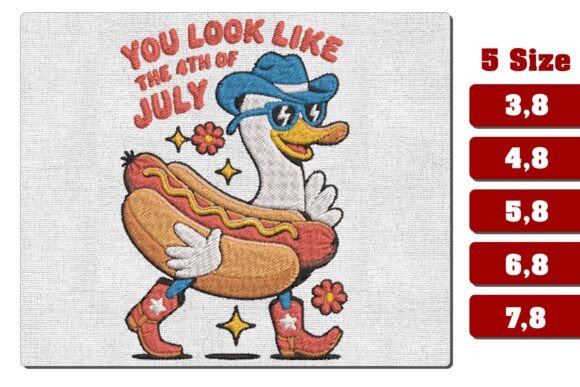
- Verify Hoop Compatibility: The available sizes (3.8", 4.8", 5.8", 6.8", 7.8") cover most standard hoops. Double-check your machine’s maximum field before purchasing to avoid resizing issues that alter stitch density.
- Test on Scrap Fabric: Never stitch directly onto a final product without a test run. Use a scrap piece of the exact fabric and stabilizer combination you intend to use.
- Check Licensing: Confirm whether your purchase includes rights for commercial embroidery or just personal use. Selling finished items versus selling the digital file itself often involves different license terms.
- Inspect Small Details: Zoom in on the embroidery project file in your editing software. Look for tiny satin columns or text that might be too small to stitch cleanly. If necessary, edit or remove microscopic elements that won't render well physically.
- Contrast Check: View the design in grayscale or black and white within your software. If the image lacks definition without color, it may lack sufficient contrast in thread form. Adjustments to underlay or stitch direction might be needed.
Final Thoughts on Design Integrity
The American Dude Skateboard Embroidery succeeds because it treats the medium of thread with respect. It isn't just a clip-art conversion; it appears to be structured for actual needle penetration and fabric interaction. For makers preparing for the summer season, it offers a reliable foundation for everything from nursery decor to adult streetwear.
Remember that every machine tensions differently. What worked perfectly on my test setup might need slight tweaking on yours. Treat this embroidery file as a collaborative tool rather than a rigid template. By understanding its behavior across different sizes and substrates, you elevate your craft from simple decoration to professional textile art. Whether you are fulfilling custom orders or stocking shelves for Independence Day, this design has the potential to become a staple in your creative repertoire, provided you approach it with technical mindfulness and artistic intention.