Sweet Little Gnome Embroidery Design Review
As an embroidery designer preparing for the upcoming winter craft fair season, I am constantly evaluating which digital assets will translate best into physical sales. When reviewing the Sweet Little Gnome Embroidery Design, my primary focus is not just on the aesthetic appeal of the screen preview, but on how this machine embroidery design performs under the needle and ultimately in the hands of a customer. For fellow Etsy sellers, boutique makers, and creative entrepreneurs, selecting the right embroidery file is the difference between a product that sits on the table and one that sells out before noon. This review breaks down the practical application of this unique and modern design for commercial embroidery and handmade market success.
First Impressions: Modern Charm Meets Stitch Efficiency
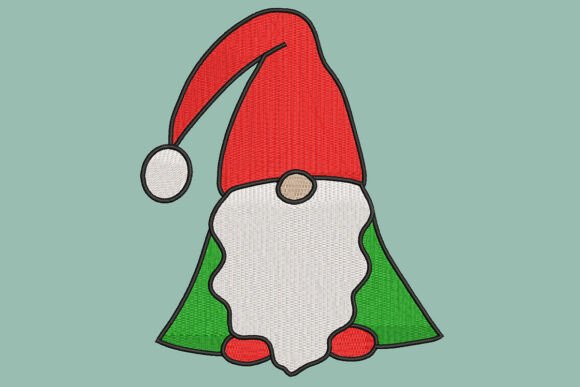
The description promises a "unique and modern" take on a classic motif, and visually, the Sweet Little Gnome Embroidery Design delivers a fresh aesthetic that avoids looking dated or overly traditional. In the context of winter merchandise, gnomes are a staple, but this specific design leans toward a cleaner, more contemporary style rather than a cluttered folk art look. This distinction is vital for small shop products targeting a younger demographic or those seeking modern farmhouse decor.
Crucially, the note that this design has been "manually drafted" suggests superior pathing and stitch optimization. For batch production, this is a massive selling point. Machine-digitized auto-traces often result in unnecessary jumps, trims, and uneven density. A manually drafted embroidery file typically offers a smoother stitch out, which reduces production time and thread waste. When you are hooping fifty tea towels for a weekend market, those seconds saved per hoop add up to significant efficiency.
Best Applications for Craft Fair Products
Determining where to place this design is key to maximizing ROI. Based on the visual weight and likely scale of a "sweet little" gnome, here is how I evaluate its potential across various blank products:
- Tea Towel Embroidery: This is arguably the strongest application. The design serves as an excellent focal point on flour sack towels. Because the description highlights a "quick, smooth" stitch out, it allows for high-volume production of kitchen linens without excessive wear on your machine or fabric.
- Tote Bag Design: Market bags and canvas totes are winter craft fair bestsellers. This gnome design works beautifully as a centered chest graphic or a lower-corner accent. Its modern styling pairs well with natural canvas or dark denim, creating a premium handmade product feel.
- Apron Embroidery: For holiday baking seasons, aprons are essential. This design fits perfectly on the bib section or the lower pocket area. It adds character without overwhelming the functional nature of the garment.
- Embroidered Patches: If the design size permits, this could be digitized or utilized as a standalone patch for hats and jackets. However, verify the smallest recommended size before attempting this to ensure details remain crisp.
- Pillow Covers and Fabric Pouches: For giftable handmade items, this design adds immediate seasonal value. It transforms a simple linen pillow cover into a desirable winter home decor piece.
Production Practicalities and Selling Points
From a business perspective, the Sweet Little Gnome Embroidery Design offers distinct advantages for booth displays and online listings. The "modern" descriptor implies clean lines and likely fewer complex color changes, making it easier to photograph for printable mockups and Etsy listings. Designs with too much chaotic detail often look muddy in thumbnail photos; cleaner designs stop the scroll.
Furthermore, the repeatability of this design makes it ideal for creating cohesive collections. As an embroidery business owner, I can easily envision pairing this gnome with simple text names or dates for personalized gifts. The fact that it is marketed for a "perfect stitch out" gives me confidence when offering finished products for sale. Customers notice quality; they may not understand stitch density or stabilizer choices, but they recognize when a design lies flat and feels professional against the fabric texture.
Critical Use Notes and Technical Considerations
While the design promises ease of use, experienced crafters know that variables matter. Before committing to a full production run, consider these technical factors:
- Fabric Texture Compatibility: While this design likely stitches well on standard cotton, be cautious with highly textured towels or thick fleece. If the gnome contains fine facial details or small lettering, the texture might swallow the stitches. Always test on the exact substrate you intend to sell.
- Stitch Density Verification: Even manually drafted designs need verification. Check the stitch density settings in your software. If placing this on a stretchy knit or a lightweight summer-weight fabric (perhaps for early spring transition), ensure the density isn't so heavy that it causes puckering or bulletproofing.
- Size Limitations: The title includes "Little," but confirm the minimum viable size. Reducing an embroidery file below its intended dimensions can cause satin stitches to become too narrow or fill stitches to lose coverage. Never assume a design scales infinitely downward.
- Thread Colors and Contrast: Winter palettes often involve deep greens, reds, and whites. Ensure there is sufficient contrast between the gnome’s features and the base fabric. A white beard on cream fabric will disappear in photos and in person. Test thread colors against your specific blanks.
- Cap Curvature: If applying this to curved cap surfaces, verify the design height. Tall designs distort on caps. This "little" design may be perfect for low-profile caps, but always do a sew-out on a cap frame first.
Designer Recommendations for Commercial Success
To turn the Sweet Little Gnome Embroidery Design into a profitable asset for your handmade business, follow this pre-production checklist. These steps protect your brand consistency and ensure customer satisfaction.
Always Sew a Physical Sample: Digital previews are helpful, but they do not show tension issues or stabilizer inadequacies. Create at least one real mockup on your intended sellable blank. Inspect the back of the embroidery; messy backs indicate poor stabilization or hooping technique, which affects the perceived value of the finished product.
Confirm Hoop Size and Stabilizer: Do not guess. Match the stabilizer to both the design density and the fabric weight. For a tote bag design, you might need cutaway mesh; for a tea towel, tear-away might suffice. Using the wrong stabilizer is the fastest way to ruin a commercial embroidery run.
Review Licensing Terms: Before listing any item derived from this digital embroidery file, explicitly confirm the commercial licensing terms. Ensure you are permitted to sell physical embroidered goods and check if there are limits on production quantity. Respecting intellectual property is non-negotiable for professional Etsy sellers and boutique makers.
Optimize Your Booth Display: When displaying items featuring this design at a craft fair, group them by color family or product type to create visual impact. The modern nature of this gnome allows it to bridge the gap between rustic winter vibes and contemporary gift-giving. Highlight the "handmade" aspect with signage that mentions the care taken in stitching, reinforcing the premium nature of your work.
Ultimately, the Sweet Little Gnome Embroidery Design appears to be a strong contender for winter inventory. Its combination of modern aesthetics and promised stitch efficiency addresses the two biggest pain points for production embroiderers: style relevance and manufacturing speed. By testing thoroughly and applying it to the right substrates, this design has the potential to become a reliable seller in your digital assets library and a standout feature on your craft fair table.