Pink Rose Bouquet Embroidery Design Review
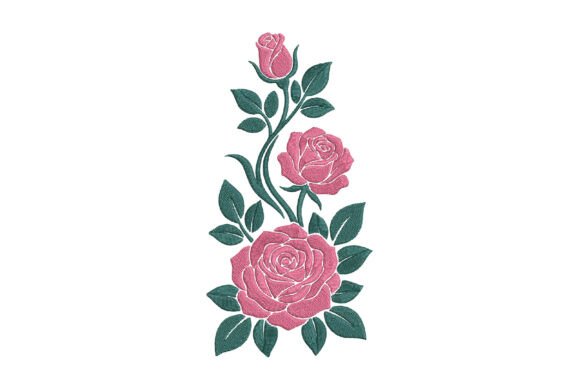
As a professional embroidery designer and product reviewer, I approach every new machine embroidery design with a critical eye. It is not enough for a digitized file to look beautiful on a screen; it must perform flawlessly under the needle and add tangible value to the final handmade product. When evaluating the Pink Rose Bouquet Embroidery Design, my primary focus is on how this floral motif translates from a digital concept to a physical reality. This design promises elegance and romance, featuring soft pink roses and lush green leaves, but the true test lies in its stitch structure, density balance, and versatility across different substrates.
First Impressions: Mood and Structural Integrity
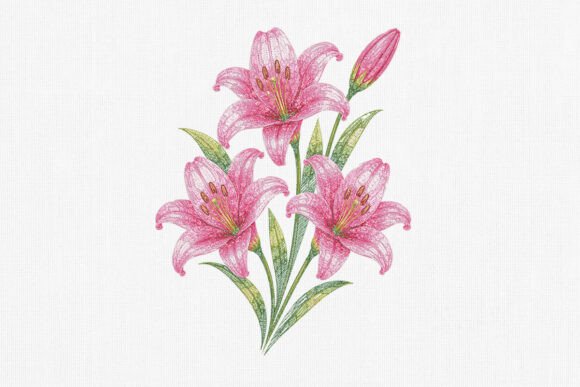
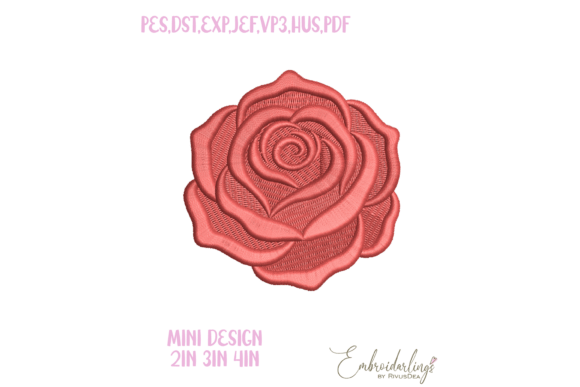
Upon loading the embroidery file into my editing software, the first thing I assess is the visual personality. The Pink Rose Bouquet Embroidery Design immediately establishes a classic, romantic aesthetic that fits squarely within the Single Flowers category. However, unlike generic clip-art style florals, this pattern appears to have been digitized with an understanding of thread physics. The layout suggests a balanced composition where the weight of the blooms is supported by the foliage, preventing the design from looking top-heavy once stitched out.
For Etsy sellers and boutique owners, this mood is crucial. Customers are not just buying flowers; they are buying a feeling of nostalgia and softness. The interplay between the likely satin stitch petals and fill stitch leaves creates necessary texture contrast. A flat design lacks luxury, but this bouquet seems structured to catch light differently across various elements, giving the finished piece a three-dimensional quality that photographs well in printable mockups and listing images.
Real-World Application: Stitching a Custom Tote Bag
To truly judge this digital embroidery file, I simulated a real-life production scenario: creating a premium canvas tote bag design for a spring collection. Canvas is unforgiving; it has a distinct fabric texture that can swallow fine details or cause registration issues if the stitch density is too high.
In this context, the Pink Rose Bouquet Embroidery Design serves as an excellent centerpiece. For a tote bag, durability is paramount. I looked specifically at how the design handles the transition between the delicate rose petals and the sturdier leaf structures. In a commercial setting, you cannot afford thread breaks or puckering when running batches of ten or twenty bags. This design’s flow appears optimized for continuous stitching, minimizing trims and jumps. This efficiency is vital for craft business owners watching their production time. Furthermore, the scale of the bouquet allows for ample negative space, making it easy to add personalized monograms or business logos without overcrowding the finished product.
Versatility Across Apparel and Home Decor
Beyond bags, this embroidery project asset shows strong potential for custom apparel and home goods. The color palette of pinks and greens is universally appealing for baby embroidery on onesies or bibs, provided the size is scaled appropriately. For sweatshirt embroidery, the design offers a sophisticated alternative to trendy, bold graphics, appealing to customers seeking timeless style over fast fashion.
I also envision this working beautifully for holiday embroidery or wedding gifts. While roses are traditional, the specific shade of pink and the arrangement prevent it from feeling dated. For small shop products like tea towels or pillow covers, the design acts as a focal point that elevates basic blanks into boutique-quality merchandise. The key here is the design's adaptability; it does not demand a specific background color, allowing makers to offer multiple variations using the same design assets.
Critical Considerations: Where to Exercise Caution
No commercial embroidery design is perfect for every situation, and honest evaluation requires discussing limitations. When using the Pink Rose Bouquet Embroidery Design, be mindful of fabric choice and stabilization.
- Stretchy Fabrics: If applying this to performance wear or thin knits, the density of the floral fills could cause distortion. You must use appropriate cut-away stabilizer and potentially a topping to prevent stitches from sinking into the knit loops.
- Dark Fabrics: While the pink roses will pop on black or navy, ensure the green leaves have enough contrast. Sometimes, dark green thread on dark fabric loses definition. Test thread colors beforehand or consider a lighter sage green for better visibility.
- Curved Surfaces: Hooping caps or curved sleeves requires care. A dense bouquet may not lay flat on a highly curved surface. Verify your hoop size and consider resizing the design slightly or using a specialized cap frame to avoid gapping.
- Frequent Washing: For items like kitchen towels or baby clothes that face harsh laundering, inspect the lock stitches at the end of color blocks. Ensure the design is secure enough to withstand wear without unraveling.
Designer Notes for Professional Results
Before listing any item featuring this design or selling the file itself, adhere to these professional best practices to maintain customer trust and brand consistency.
- Test Stitch is Non-Negotiable: Never run this on a client’s garment first. Always test on scrap fabric that matches your final substrate’s weight and weave. Check for registration alignment between the roses and leaves.
- Verify Licensing: Confirm whether your purchase includes rights for personalized gift sales, mass production, or digital resale. Understanding your license protects your business.
- Mockup Accuracy: When creating listings, use realistic textures in your printable mockup. Do not misrepresent the sheen of rayon versus matte cotton. Accurate representation reduces returns.
- Color Matching: Thread brands vary. Create a physical color chart for this specific design so clients know exactly what "soft pink" looks like in real life versus on screen.
- Resize Responsibly: If you alter the size, re-check density. Enlarging can make satin stitches too wide and prone to snagging; shrinking can make fill stitches too dense and stiff.
Elevating Your Handmade Business
The Pink Rose Bouquet Embroidery Design represents more than just a pretty flower; it is a functional tool for creative entrepreneurs. Whether you are producing embroidered patches, designing custom apparel, or curating a line of nursery decor, this pattern offers the technical reliability and aesthetic appeal necessary for commercial success. By understanding its behavior on different fabrics and respecting the nuances of stitch density and stabilization, you transform a simple embroidery file into a signature element of your brand. Ultimately, the value of this design lies in its ability to bridge the gap between digital artistry and tangible, heirloom-quality craftsmanship that resonates with buyers seeking genuine, heartfelt creations.