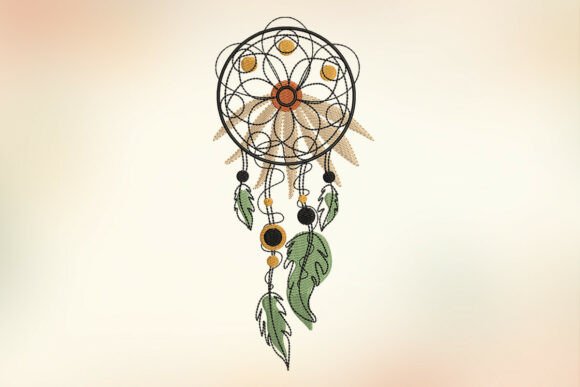
Dreamcatcher Embroidery Design: A Maker’s Review
As an embroidery designer who supplies personalized gifts for a busy local shop and an online Etsy store, I am constantly vetting new digitized files. My customers demand perfection; they want items that feel heirloom-quality, not mass-produced. When I first loaded the Dreamcatcher Embroidery Design into my software, I was looking for more than just a pretty image. I needed to know if this machine embroidery design could withstand the rigors of commercial production while maintaining that delicate, handmade charm that sells. After running several test stitch-outs on various substrates, here is my honest assessment for fellow makers, gift shop owners, and digital product sellers.
First Impressions: Mood and Modern Appeal
The immediate appeal of this Dreamcatcher Embroidery Design lies in its balance between traditional symbolism and modern aesthetics. While dreamcatchers have roots in Indigenous culture and are often categorized under spiritual or religious protection symbols, this specific digitization feels contemporary and accessible. It does not look dated or overly rustic. Instead, it possesses a sweet, elegant mood that translates beautifully across different demographics.
For my shop, "modern" is a keyword that drives sales. This design avoids the heavy, dense fill stitches that can make embroidery look stiff. The lines appear manually drafted with intention, suggesting a smooth stitch path rather than an auto-digitized mess. This visual lightness is crucial. It evokes feelings of safety, dreams, and gentle protection, making it emotionally resonant for customers seeking meaningful gifts without being overtly dogmatic.
Real-World Application: From Nursery to Wedding
I tested this design specifically for three high-demand categories in my business: baby embroidery, wedding gifts, and home decor. Here is how the Dreamcatcher Embroidery Design performed in each scenario.
Baby Blankets and Nursery Decor
This is arguably the strongest use case. I stitched the design onto a plush minky blanket and a cotton muslin swaddle. The emotional connection here is instant. Parents and grandparents view dreamcatchers as guardians of sleep, making this a top-tier choice for baby embroidery. However, because baby items require frequent washing, the stitch integrity is paramount. This design held up well on the muslin, but I recommend checking your stitch density before committing to high-pile fabrics like chenille or thick fleece, as fine details can get lost.
Wedding Keepsakes and Tote Bags
For the boho-bride market, this design is a winner. I created a custom canvas tote bag and a linen pillow cover as wedding party gifts. The design scales up beautifully for these larger items. On the tote bag, it served as a stunning centerpiece that photographed exceptionally well for social media previews. For wedding gifts, the perceived value is high because the design looks intricate yet airy. It signals "handmade product" rather than "factory print," which justifies a higher price point for small shop products.
Kitchen Towels and Aprons
I also tested this on a flour sack towel. While less common than floral motifs, the dreamcatcher worked surprisingly well for a "protect your home" theme. However, towels present unique challenges regarding fabric texture. The design requires adequate stabilization to prevent puckering on terry cloth. If you are selling embroidered towels with this motif, ensure you use a tear-away or cut-away stabilizer appropriate for the weight of the towel to keep the hoop marks minimal.
Critical Considerations: Where to Tread Carefully
No embroidery file is perfect for every application. During my testing of the Dreamcatcher Embroidery Design, I identified specific scenarios where caution is necessary.
- Small Lettering: If you plan to personalize this with a name beneath the dreamcatcher, be wary of scaling down too much. Intricate webbing details can merge at smaller sizes. Always verify the minimum recommended size in the file specifications.
- Stretchy Fabrics: When applying this to baby onesies or stretchy knits, the tension can distort the circular shape of the dreamcatcher. Use a fusible no-show mesh stabilizer and consider a spray adhesive to lock the fabric grain before hooping.
- Dark Fabrics: The design relies on line work and negative space. On black or navy fabric, ensure your thread colors provide enough contrast. A white or metallic gold thread pops beautifully, whereas pastel threads may disappear against dark backgrounds.
- Curved Surfaces: Hooping curved items like caps or stuffed animals is risky with this geometry. The design is best suited for flat surfaces like pillow covers, blankets, and flat tote bags to maintain the perfect circle shape.
Business Impact: Value and Customer Trust
For Etsy sellers and commercial embroidery businesses, the technical quality of your digitizing directly impacts customer trust. A jagged stitch-out or poor registration screams "amateur." The Dreamcatcher Embroidery Design contributes positively to brand perception because of its clean execution.
From a marketing perspective, this design is highly photogenic. The open nature of the webbing allows the fabric color to show through, creating depth in product photography. When listing this as a finished product or offering it as a custom embroidery option, use printable mockups to show clients how it looks on different colored linens before you stitch. This reduces waste and increases buyer engagement. Furthermore, because the design carries a spiritual undertone without being exclusive, it appeals to a broad audience looking for wellness, mindfulness, or protective gifts.
Practical Embroidery Notes for Makers
Before adding this digital embroidery file to your permanent library or fulfilling customer orders, follow this professional checklist to ensure success:
- Test on Scrap Fabric: Never stitch directly on a customer’s expensive item first. Run a test on similar fabric texture to check tension and registration.
- Verify Hoop Size: Confirm the dimensions fit your machine’s hoop capabilities. Resizing can sometimes alter stitch density; if you must resize significantly, re-evaluate the pull compensation.
- Check Thread Colors: Review the color chart provided with the file. Test variegated or metallic threads on scrap material, as they can behave differently than standard polyester or rayon.
- Stabilizer Selection: Match your stabilizer to the end-use. Wash-away topping is excellent for textured fabrics to prevent stitches from sinking, while cut-away backing provides long-term stability for garments.
- Licensing Confirmation: Crucial for business owners—always confirm the commercial licensing terms included with the embroidery file. Ensure you have the right to sell finished products or resell the digital file if that is your business model.
- Detail Inspection: After stitching, inspect the center web and feather attachments closely. These are the stress points where thread breaks or jumps are most likely to occur.
Final Thoughts for the Personalized Gift Market
The Dreamcatcher Embroidery Design is a versatile asset for any embroidery business focusing on personalized gifts. Its blend of spiritual meaning and modern aesthetic makes it suitable for everything from nursery decor to wedding keepsakes. By respecting the technical requirements of fabric texture and stabilization, and by leveraging its emotional appeal in your marketing, this design can become a staple in your catalog. Whether you are crafting a single heirloom blanket or stocking an Etsy shop with ready-to-ship totes, this file offers the reliability and beauty that today’s handmade market demands. Always remember to validate the specific file details against your machine's capabilities, and happy stitching!