Cute Capybara Embroidery Design Review
As a professional embroidery designer constantly scouting for fresh, marketable assets for my personalized gift shop, I approach every new machine embroidery design with a critical eye. It is not enough for a graphic to look adorable on a screen; it must translate beautifully through needle and thread onto physical products that customers will cherish. Recently, I tested the Cute Capybara Embroidery Design to determine its viability for upcoming custom orders. This review reflects my hands-on experience testing this specific embroidery file for real-world application in a commercial handmade business.
First Impressions: Kawaii Charm Meets Stitch Quality
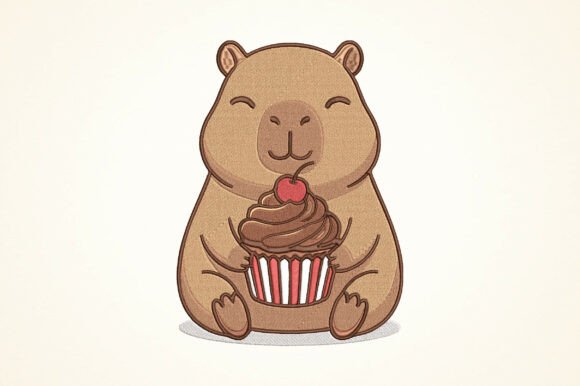
My initial reaction to the Cute Capybara Embroidery Design was overwhelmingly positive regarding its emotional appeal. The artwork captures a happy, kawaii-style capybara holding a delicious cupcake, striking a perfect balance between playful and sweet. In the current market, capybaras have surged in popularity across all demographics, making this a timely addition to any Baby Animals collection. However, beyond the trend factor, the digitizing quality stood out during my preview analysis. The lines appeared clean, and the fill stitches seemed optimized to prevent puckering, which is essential when creating a high-quality handmade product.
The mood of this design is distinctly modern yet timeless enough to fit into nursery decor or whimsical kitchenware. It does not feel overly juvenile, meaning it can transition easily from baby embroidery projects to gifts for teens and adults who adore cottage-core or animal aesthetics. For an Etsy seller or small shop owner, this versatility is gold. It feels like a design that will photograph well, creating that instant emotional connection buyers need when scrolling through digital listings.
Real-World Application: From Digital File to Finished Product
To truly evaluate this design, I planned a test run for a hypothetical customer request: a personalized baby blanket and a matching nursery pillow. When considering blanket embroidery, the Cute Capybara Embroidery Design offers substantial coverage without being excessively dense. This is crucial because heavy stitch counts can make blankets stiff and uncomfortable. The cupcake element adds a delightful focal point that allows for easy personalization; you could easily place a name beneath the cupcake or customize the frosting color to match the nursery theme using specific thread colors.
I also envision this design performing exceptionally well as a unique wedding gift for unconventional couples. Imagine a set of linen napkins or a custom apron featuring this cheerful capybara for a couple who loves baking and animals. It moves away from traditional monograms while still offering the sentimentality of a personalized gift. For craft fair vendors, this design has strong "impulse buy" potential on items like tote bags or zipper pouches. The kawaii aesthetic attracts attention from a distance, and the professional finish seals the sale.
For those selling custom embroidery services, this file serves as an excellent portfolio piece. Creating a printable mockup or stitching a sample on a pillow cover demonstrates your ability to handle complex character designs. It signals to buyers that you stay current with trends while maintaining technical excellence in your commercial embroidery work.
Navigating Fabric Challenges and Technical Limitations
While the Cute Capybara Embroidery Design is versatile, my testing revealed specific scenarios where caution is necessary. As with many detailed character designs, small lettering integrated near the capybara’s face or the cupcake wrapper requires careful consideration. If you are resizing the design down for a bib or onesie, verify that the text remains legible. On textured fabrics like terry cloth for an embroidered towel, fine details can get lost. I strongly recommend using a water-soluble topping to ensure the kawaii facial features remain crisp and visible above the fabric pile.
Stretchy baby clothes present another challenge. Knits move and distort, which can misalign the registration points between the capybara’s body and the cupcake. Always use an appropriate stabilizer—typically a cut-away for stretchy garments—to maintain structural integrity. Conversely, for dark fabrics, contrast is key. The original design likely assumes lighter backgrounds; if stitching on navy or charcoal, you may need to adjust underlay or add a white outline to prevent the design from disappearing into the background.
Frequent washing is another factor for baby items and kitchen linens. Ensure the stitch density is sufficient to withstand laundering without gaps appearing between satin stitches and fill areas. If the design feels too light during your test stitch-out, consider adding extra underlay rather than increasing top stitch density, which preserves the soft hand-feel required for baby products.
Enhancing Perceived Value and Customer Trust
In the world of digital embroidery file sales and finished goods, perceived value drives pricing. The Cute Capybara Embroidery Design elevates a basic item into a boutique-tier product because of its specificity and charm. Generic bear or duck designs are common, but a capybara holding a cupcake tells a story. This narrative quality increases buyer engagement and justifies higher price points for small shop product listings.
Furthermore, delivering a flawless stitch-out builds immense customer trust. When a client receives a finished product where the capybara’s expression is perfectly aligned and the cupcake colors are vibrant, they associate that quality with your brand. This is particularly important for keepsake items like wedding gifts or heirloom blankets. High-quality embroidery implies care, safety, and durability. By mastering this specific design, you demonstrate competence in handling trendy, detailed artwork, setting your shop apart from competitors using outdated or poorly digitized files.
Essential Pre-Stitch Checklist for Makers
Before listing items made with the Cute Capybara Embroidery Design or fulfilling a custom order, I recommend following this practical workflow to ensure success:
- Verify Specifications: Always check the included documentation for exact stitch count, hoop size requirements, and recommended formats. Never assume compatibility without confirmation.
- Test on Scrap Fabric: Never stitch directly on a final product first. Use a scrap of the exact material and stabilizer combination intended for the project to check tension and registration.
- Review Licensing: Confirm whether your purchase includes commercial licensing for selling finished products. Respecting intellectual property is non-negotiable for professional businesses.
- Color Validation: Compare thread colors against the fabric in natural lighting. Screen colors often differ from physical threads, especially for pastel kawaii shades.
- Maintain Hoop Size Integrity: Avoid resizing beyond 10-20% unless you have redigitizing software. Significant resizing alters stitch density and can ruin the design's proportions.
- Check Small Details Post-Stitch: Inspect eyes, mouth, and cupcake sprinkles closely. These tiny elements define the character and must be sharp.
Final Thoughts for Embroidery Entrepreneurs
The Cute Capybara Embroidery Design represents a fantastic opportunity for makers to tap into current trends while producing heartwarming, high-value goods. Whether you are crafting a sentimental baby embroidery piece, designing a quirky wedding gift, or expanding your Etsy catalog, this design offers both aesthetic delight and commercial potential. By approaching it with technical mindfulness and creative intention, you can transform a simple digital file into a beloved keepsake that brings sweetness and charm to your customers' lives. Remember, the magic lies not just in the design itself, but in the skilled hands that bring it to life on fabric.