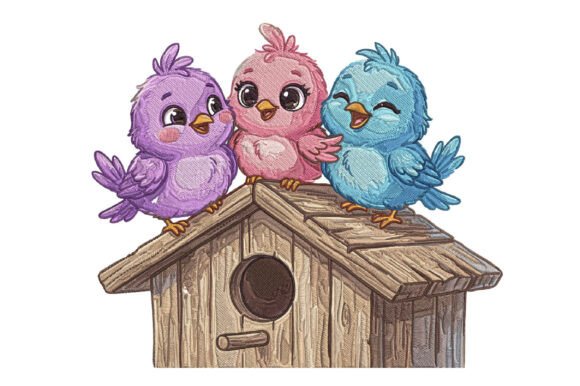
Cute Birds Birdhouse Embroidery Design Review
As an embroidery designer preparing for a weekend craft fair, I evaluate every machine embroidery design through the lens of profitability and production efficiency. When I first loaded the Cute Birds Birdhouse Embroidery Design into my software, my immediate impression was that this is a quintessential "stop-and-smile" graphic. The aesthetic is undeniably sweet and playful, featuring three colorful baby birds perched on a wooden birdhouse. It strikes a perfect balance between farmhouse rustic and modern nursery cute, making it a versatile contender for my upcoming market table. Unlike overly complex scenic designs that can get lost in a busy booth display, this pattern offers bold, readable shapes that communicate charm from several feet away.
Evaluating Market Viability for Handmade Products
For any Etsy seller or boutique maker, the primary question is always: "What does this sell best on?" Based on the composition of the Cute Birds Birdhouse Embroidery Design, I see three distinct tiers of product viability for a physical market setting.
Tier One: High-Turnover Craft Fair Products
This design is exceptionally strong for tea towel embroidery and kitchen linens. The vertical orientation often associated with birdhouse motifs fits perfectly within the standard rectangular hoop sizes used for towels. At a craft fair, customers are tactile shoppers; they want to pick up items that feel domestic and cozy. The "baby bird" element triggers an emotional response that elevates a simple utility item into a giftable handmade product. Similarly, this works beautifully as a tote bag design. Canvas totes provide a stable, flat surface that allows the colorful thread work to pop against natural cotton. Because the design features distinct color blocks, it photographs exceptionally well for printable mockups if you also sell digital versions or pre-orders online.
Tier Two: Niche Boutique Items
I would categorize apron embroidery and children’s wear as secondary but valuable applications. For aprons, the birdhouse placement should be lower on the bib or centered on the pocket area to avoid distortion when worn. As a small shop product, embroidered patches are a fantastic low-risk option. If the design digitizes cleanly with a merrowed edge or clean satin border, these can be produced in batches and sold as add-ons at the register. However, because the description highlights "tiny details" inherent to baby birds, I would advise caution when resizing this for patches smaller than 3 inches.
Tier Three: Proceed with Caution
While caps are popular, curved surfaces can distort architectural elements like a wooden birdhouse. Unless you have a specialized cap frame and the embroidery file has been specifically digitized for cylindrical hooping, the perspective may look warped. Additionally, highly textured fabrics like terry cloth or waffle weave require careful testing to ensure the fine details of the birds' faces do not sink into the pile.
Production Practicalities and Stitch Performance
A pretty screen image does not always translate to a profitable finished product. When reviewing the Cute Birds Birdhouse Embroidery Design for batch production, I focus heavily on run-time and stability.
- Stitch Density Analysis: Birdhouses often imply wood grain textures, which can lead to dense fill stitches. High density increases production time and thread usage. I recommend running a test sew-out to check if the fill is too heavy for lightweight fabrics like quilting cotton. If the design feels stiff, consider using a lighter mesh stabilizer or adjusting the underlay settings.
- Color Change Efficiency: With three "colorful" birds, this design likely requires multiple thread changes. For commercial embroidery efficiency, group similar colors together if the software allows re-sorting without compromising the visual layering. Minimizing trims and jumps directly impacts how many units you can produce before the market opens.
- Fabric Texture Compatibility: The contrast between the smooth embroidery and the substrate matters. On dark fabrics, ensure the birdhouse outline is light enough to define the shape. On light fabrics, verify that the wooden texture doesn't look muddy. Always compare thread colors against your actual inventory of blanks before committing to a production run.
Visual Merchandising and Customer Engagement
At a crowded handmade market, visual hierarchy is everything. The Cute Birds Birdhouse Embroidery Design possesses high "glance value." The combination of organic bird shapes and geometric house lines creates a focal point that draws the eye. When setting up my booth, I would place samples featuring this design at eye level. The playful nature of the baby birds appeals to a broad demographic, from young parents to garden enthusiasts.
For digital sellers offering this as a digital embroidery file, the marketing angle should emphasize its versatility. Create listing photos showing the design on both a tea towel and a tote bag to demonstrate range. Use design assets to create lifestyle mockups that suggest gifting occasions like Mother’s Day, housewarmings, or spring markets. The "cute" factor sells, but showing practical application converts browsers into buyers.
Critical Designer Notes for Safe Production
Before stitching out fifty units for the weekend, adhere to these professional safeguards to protect your brand reputation and equipment:
- Verify Hoop Size Requirements: Never assume this design fits your smallest hoop. Check the exact dimensions in the file metadata. Resizing a complex scene with small facial details down to a 4x4 hoop can result in lost definition or thread breaks.
- Test on Scrap Fabric First: Do not risk premium linen or organic canvas on an untested file. Stitch the Cute Birds Birdhouse Embroidery Design on a scrap piece of similar weight and weave. Inspect the registration where the birds meet the birdhouse roof. Gaps here ruin the illusion of quality.
- Stabilizer Selection is Key: For woven fabrics like tea towels, use a medium-weight cutaway or tear-away depending on the drape you desire. For stretchy knits (if attempting apparel), a no-show mesh is mandatory to prevent puckering around the dense birdhouse base.
- Check Commercial Licensing: Before selling any craft fair product derived from this pattern, confirm the license terms. Some designers allow finished product sales but prohibit mass production or digital redistribution. Ensure your business model aligns with the creator's terms.
- Small Lettering Warning: If the design includes text (e.g., "Welcome" or "Home"), scrutinize the letter height. Anything under 5mm risks becoming illegible after washing. If the text is too small, edit it out or replace it with bolder block lettering suitable for machine embroidery.
Final Verdict for Makers and Sellers
The Cute Birds Birdhouse Embroidery Design represents a strong asset for creative entrepreneurs. Its blend of whimsy and structure makes it highly marketable across multiple categories, particularly in home decor and accessories. By respecting the technical constraints of stitch density and fabric choice, and by leveraging its emotional appeal in your booth display, this pattern can become a reliable bestseller. Remember that in the handmade market, consistency builds trust. A well-executed version of this design, stitched with proper tension and appropriate stabilizer, signals to customers that your entire shop maintains that same level of care. Whether you are stocking an Etsy store or filling a festival tent, this birdhouse motif offers the kind of universal charm that turns casual observers into loyal patrons.